
Welcome to this edition of our newsletter, where we spotlight Taiwan’s dynamic advancements in health technology and the pivotal role of its education sector. From long-term care innovations and startup incentives to groundbreaking partnerships between universities and international organizations, Taiwan is harnessing its strengths in ICT and precision engineering to deliver cutting-edge health solutions. Let's dive in!
National Health Strategy
Striving For A Healthy Taiwan & Pharmaceutical Resilience
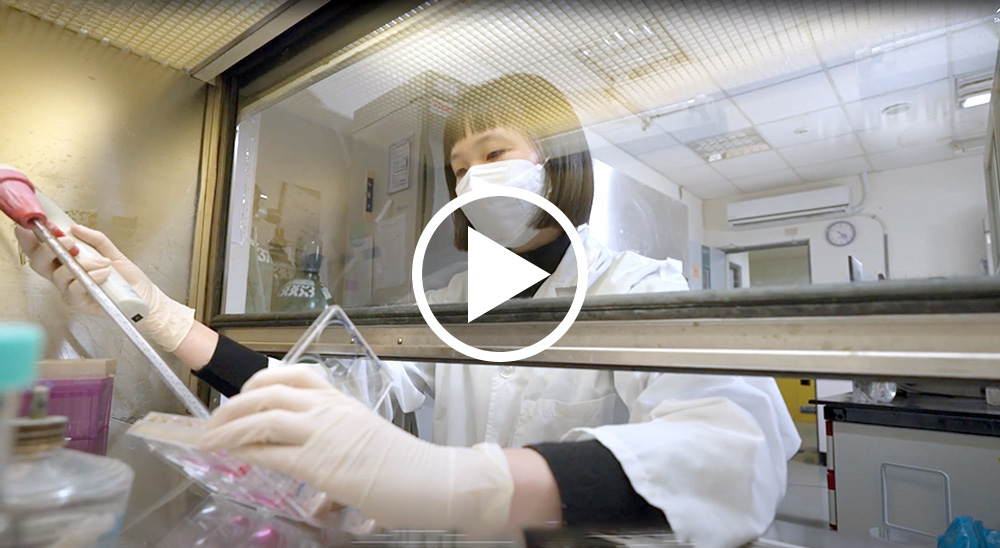
Student of the College of Health Sciences & Technology, National Central University (NCU). Photo: NCU
Taiwan's government is driving a major transformation in healthcare delivery through President Lai Ching-te's five-year, NT$48.9 billion Healthy Taiwan Initiative, which integrates smart medicine with long-term care services to address the nation's rapidly aging population. The Ministry of Health and Welfare is working with academics and businesses to foster smart technology applications in long-term care and develop innovative solutions. Taiwan's universities are contributing significantly to this transformation, with institutions like National Yang Ming Chiao Tung University conducting comprehensive health technology research across AI, testing, engineering, and physical therapy—fields that directly support national smart healthcare objectives.
The nation is also positioning itself as a global biotech manufacturing hub through the Taiwan Bio-Manufacturing Corp. (TBMC), a "biotech TSMC" that applies lessons from the COVID-19 pandemic to strengthen pharmaceutical manufacturing independence. This effort benefits from Taiwan's academic research ecosystem, where institutions such as National Central University's College of Health Sciences and Technology conduct specialized research in regenerative medicine and precision medicine, contributing to both workforce development and innovation essential for Taiwan's biotech manufacturing goals.
Health Tech Frontiers
Taiwan Innovations Earn Global Recognitions and Secure Partnerships
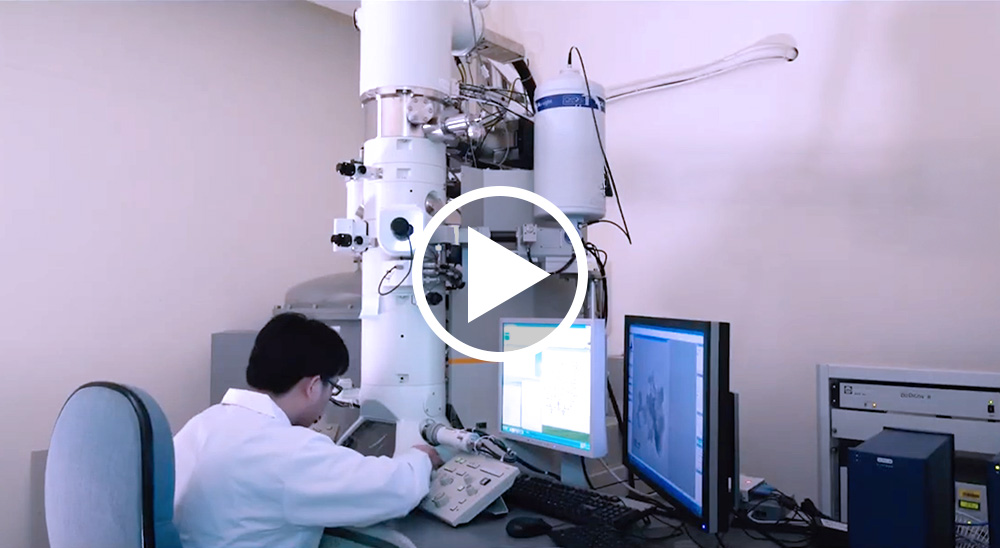
A Nanotechnology Center lab at Tamkang University (TKU). Photo: TKU
Taiwan's Ministry of Health and Welfare (MOHW) secured a prestigious gold prize at the U.S.-based Edison Awards for their AI-powered sudden death warning system. The system can predict changes in patients' vital signs up to an hour in advance, enabling crucial clinical decision-making in hospitals and long-term care facilities. This marks Taiwan's second consecutive Edison Award victory, following last year's recognition for a virtual reality medical imaging system. The warning system is currently implemented at MOHW's Taichung Hospital through collaboration with National Taiwan University and an ASUS technical team, with plans for global application.
In May, the Ministry of Economic Affairs led a delegation of hundreds of companies and startups to the SelectUSA Investment Summit, marking the fourth consecutive year Taiwan fielded the largest international delegation. Nine local startups competed as finalists, with six others ranking among the top eight in various categories. Notable innovations included revolutionary three-axis spherical motor technology that reduces weight by 80% compared to traditional space industry motors. Taiwan's research institutions, including centers like Tamkang University's Biomedical Materials Research Cluster and Nanotechnology Center, provide foundational research that supports such health tech innovations. The SelectUSA participation generated concrete business outcomes: three companies established U.S. operations, two secured over $7 million in joint investments, and ten initiated cooperation discussions with American firms.
Diversified Talent
Providing Multidisciplinary Training For Taiwan's Health Tech Advancement
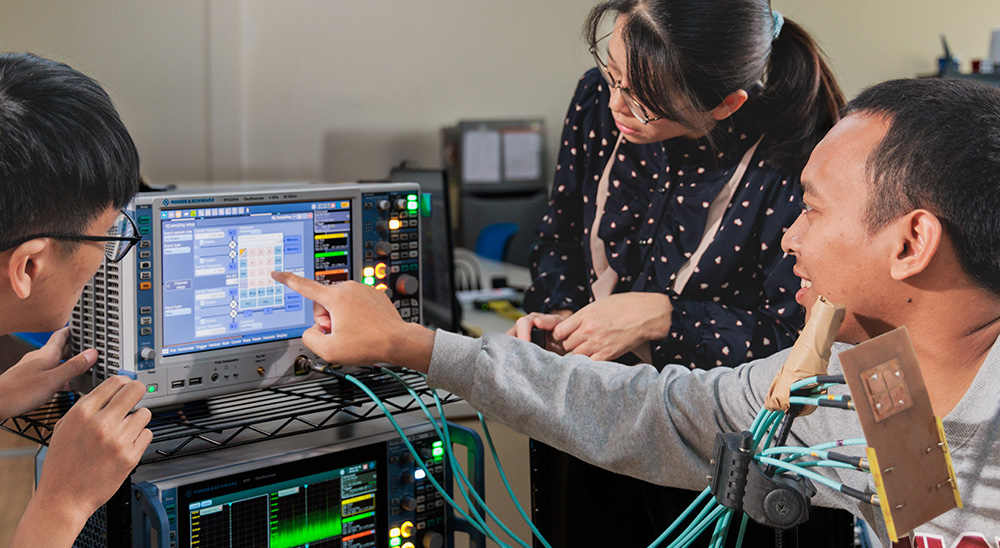
National Sun Yat-Sen University (NSYSU) accepts engineering students to advance medical tech. Photo: FICHET
COMPUTEX 2025, held May 20-23 in Taipei, showcased Taiwan's growing leadership in AI-powered innovations, including healthcare. Taiwan's success in this sector benefits from universities' interdisciplinary approach to health technology education, with institutions like National Sun Yat-sen University accepting students from diverse professional backgrounds to drive cross-disciplinary research and address growing workforce demands in biomedical testing, medical device development, and smart long-term care, effectively bridging engineering technology with medical practice.
Medical Taiwan 2025, a trade show hosted by the Taiwan External Trade Development Council (TAITRA) from June 5-7 in Taipei, serves as a platform connecting industry development with international business cooperation. The event reflects Taiwan's recognition that technological advancement requires specialized talent development for continued health sector growth. This approach is evident in collaborations such as the partnership between National Chengchi University's College of Commerce and pharmaceutical leader Pfizer, representing Taiwan's strategy for cultivating cross-domain professionals who understand both business operations and healthcare industry dynamics. Such initiatives help Taiwan produce internationally competitive talent equipped for the evolving demands of global pharmaceutical companies and the broader health industry.
Global Partnerships
Building Global Digital Health Ecosystem Through Strategic Partnerships
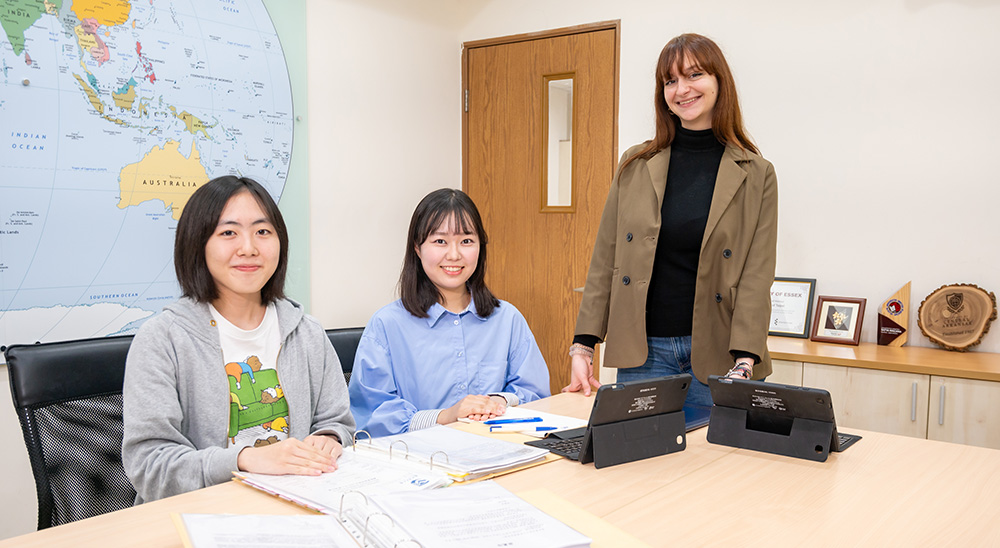
International students of the University of Taipei (UT). Photo: FICHET
The National Development Council's Startup Global Program (SGP), launched in 2015, serves as a bridge connecting international startups with Taiwan's leading technology companies, particularly in the expanding digital health sector. Since inception, 316 teams from 30 countries have participated, with one-third successfully establishing partnerships with local high-tech companies. These startups leverage Taiwan's semiconductor manufacturing expertise, stable business environment, and skilled talent pool to access the broader Asian market.
The success of these partnerships has underscored the importance of developing a workforce capable of supporting digital health innovation. Taiwan's academic institutions have responded by expanding specialized programs, with developments such as National Taiwan Normal University's new Graduate Program of Biotechnology and Pharmaceutical Industries. This reflects a broader trend across Taiwan's higher education system to address growing demand for biotechnology and pharmaceutical professionals equipped with both scientific expertise and industry knowledge.
In recent years, Taiwan has established itself as a reliable regional health policy partner through hosting major APEC conferences, including a Taipei summit on cervical cancer elimination with 200 participants from 13 economies, and a Tainan conference on dengue prevention featuring Asia-Pacific experts discussing innovative post-COVID technologies and public-private partnerships. These international conferences demonstrate Taiwan's sophisticated health policy expertise and have prompted academic institutions like the University of Taipei to develop specialized programs for healthcare management professionals, reflecting Taiwan's commitment to building diversified talent pipelines that support its expanding role in international health landscape.
Foreign Talent in Taiwan
Taiwan Launches Digital Nomad Visa to Attract International Tech Talent
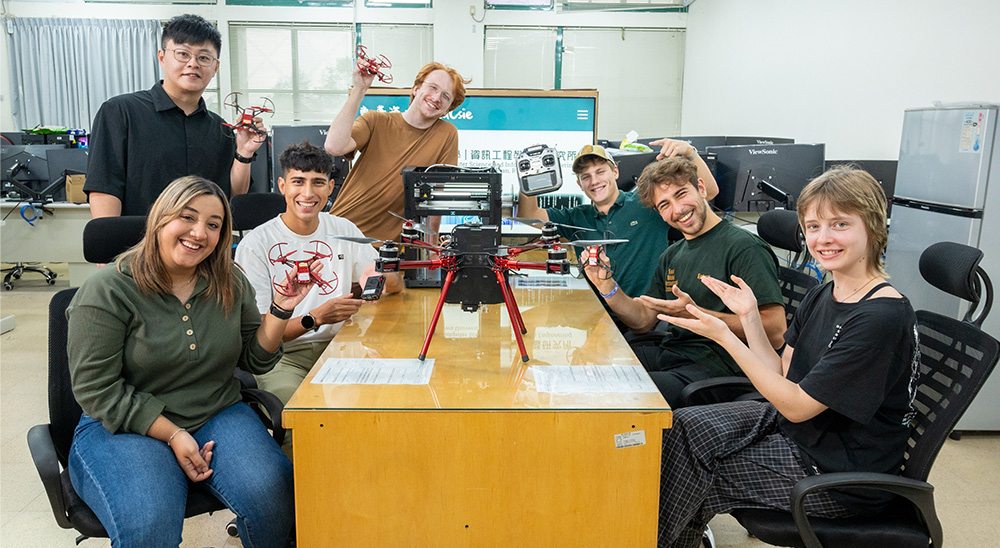
Students of National Dong Hwa University (NDHU), located in Taiwan's east coast. Photo: FICHET
Taiwan introduced a digital nomad visa in January 2025, allowing qualified foreign professionals to stay for up to six months as part of the government's strategy to recruit high-caliber international tech talent, particularly in artificial intelligence computing. The program launched its first demonstration site, Nomad Taiwan Taitung, in April 2025. The initial phase successfully attracted nearly 1,000 digital nomads, with expansion planned for Kaohsiung and Chiayi. Taitung has also signed a cooperative agreement with Japan's Digital Nomad Public Private Council for reciprocal visits and resource integration. The National Development Council is also working to eliminate legislative roadblocks and establish Taiwan as a premier Asia-Pacific destination for digital professionals.
Taitung is located on the east coast of Taiwan, where there are abundant natural and tourism resources. National Dong Hwa University's "English Guided Tour Interpretation" course is one domestic effort to tap into its potential. The course provides practical, culturally immersive training that bridges language learning with sustainable tourism practices, creating a comprehensive approach to developing both domestic and international tourism professionals to serve international visitors.
International Student Scholarships
Taiwan to Expand Scholarship Programs
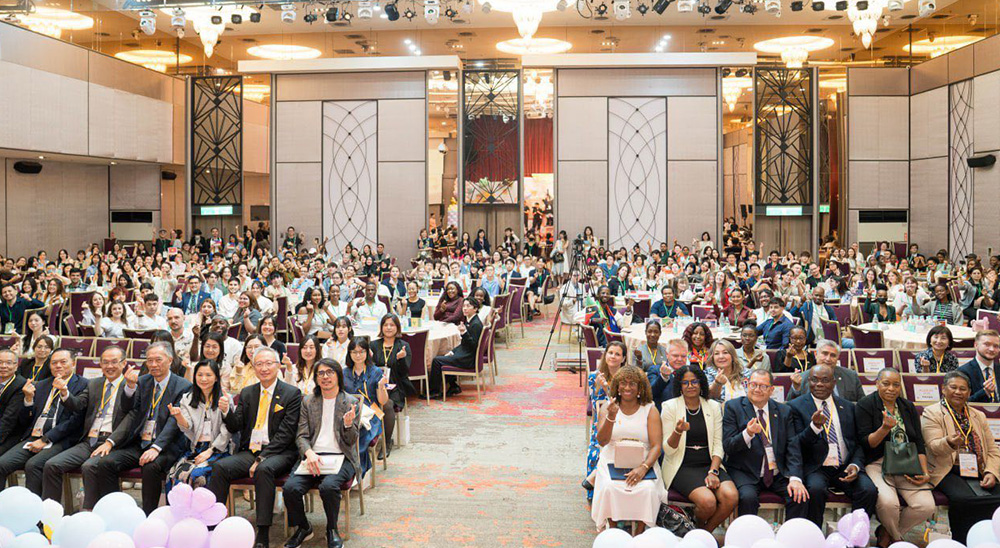
The 2025 graduation celebration of Taiwan and Huayu Scholarships recipients. Photo: MOFA
Taiwan is expanding its scholarship programs to accept more international students. The Ministry of Foreign Affairs' Taiwan Scholarships, launched in 2004, have supported over 3,000 young people from diplomatic allies, with plans to increase annual quotas from 200-400 to 500 recipients. President Lai Ching-te has also recently announced the Youth Allies Global Pathfinder Program that offers 75 exchange slots lasting two weeks to three months.
Another much sought-after scholarship program is Ministry of Education's Huayu Enrichment Scholarships. It's a Mandarin Chinese-focused program and has support from the U.S.-Taiwan Education Initiative, which enhances Mandarin programs in American institutions like Middlebury College by recruiting teaching assistants from Taiwan.
These scholarship programs reflect Taiwan's commitment to educational diplomacy and talent development, creating structured pathways for international engagement with Taiwan's academic institutions while positioning Taiwan as a cultural bridge through its linguistic heritage and educational expertise.
FICHET & Study in Taiwan in Focus
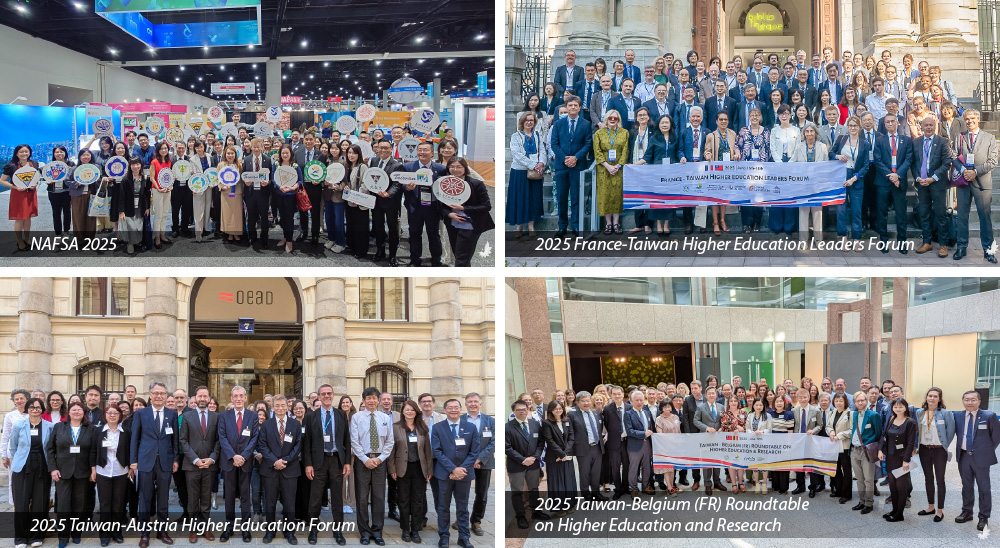
FICHET continues its effort in strengthening Taiwan's global educational partnerships during Q2 2025. The organization co-organized the Taiwan-Austria Higher Education Forum in Vienna in April, marking the first in-person bilateral forum since 2016. This milestone event highlighted the enduring partnership and facilitating networking sessions to explore opportunities in research collaboration, student mobility, and STEM education.
Another major event in Q2 2025 was the NAFSA Annual Conference & Expo in San Diego in May. FICHET promoted Taiwan as a "Technology Hub" at this world's largest international education conference, emphasizing the integration of Taiwan's higher education system with its thriving technology sector. A substantial delegation of representatives from Taiwanese universities attended the event, which was further enhanced by the "Taiwan Night" networking dinner.
In June, FICHET co-organized the 2025 France-Taiwan Higher Education Leaders Forum in Lille. Centered on "Cultivating the Talents of Tomorrow," the forum focused on industry-academia collaboration, internships and mentorship systems, and cultural integration. Several Taiwanese universities signed MOUs with the University of Lille, while an extension event in Brussels facilitated dialogue on higher education policy among Taiwan, France, and the EU.
Following the France forum, the Taiwanese delegation participated in the 2025 Taiwan-Belgium (FR) Roundtable on Higher Education and Research in Brussels on June 19. The event highlighted bilateral cooperation in specialized fields, the promotion of research projects, and talent exchanges.
Through these Q2 2025 initiatives, FICHET is strengthening existing partnerships and creating new collaboration opportunities. These strategic engagements showcased Taiwan's educational strengths and international outlook while reinforcing the country's role as a key player in international education collaboration.
We hope you found the content of this edition helpful. If you have any suggestions or comments, please let us know by writing us at fichet@fichet.org.tw. We appreciate your interest in Taiwan's higher education and wish you a great summer.
From Our Students
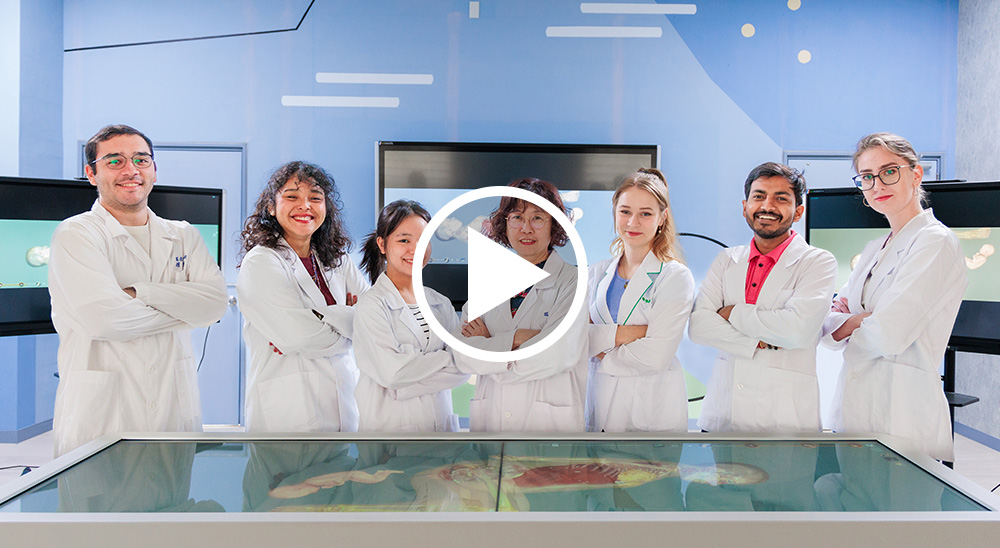
Medical students at National Cheng Kung University (NCKU). Photo: FICHET
❝ Education in Taiwan is considered as one of the best educations in Asia, and my laboratory research is on biomaterials for cell culture, tissue, ophthalmic materials, and more.❞ —Tran Nguyen Phuong Dung (Vietnam) PhD student at the Department of Materials Science and Engineering, Taiwan Tech
❝ I feel fulfilled because I see that the things that I am about to develop will be a great help in the healthcare industry not only in Taiwan and in the Philippines.❞ —Ymir M. Garcia (the Philippines) PhD student of biomedical engineering at National Cheng Kung University



![[FICHET Higher Ed in Taiwan Newsletter] Taiwan Education Sector Ready to Accelerate Health Tech Innovations](/album/news/5e8945f00acf54fe9248abcdw1200.webp)
![[FICHET Higher Ed in Taiwan Newsletter] Taiwan Education Sector Ready to Accelerate Health Tech Innovations](/album/news/5e8945f00acf54fe9248abcdw500.webp)

![[Forward News] 𝐈𝐍𝐓𝐄𝐍𝐒𝐄 𝐏𝐫𝐨𝐠𝐫𝐚𝐦𝐬 (International Industrial Talents Education Special Program)](/album/files/97160f98980cabe554243950+cw500h280.webp)
![[Forward News] MOE Short Term Research Award](/album/news/6697338f86479+cw500h280.webp)
![[FICHET Higher Ed in Taiwan Newsletter] Flying High in Higher Ed: Taiwan's Unmanned Revolution](/album/files/c859324572bdc94694075dae+cw500h280.webp)
![[Forward News] TSMC fab in Japan attracts semiconductor students to Taiwan](/assets/img/default_cover.webp)

