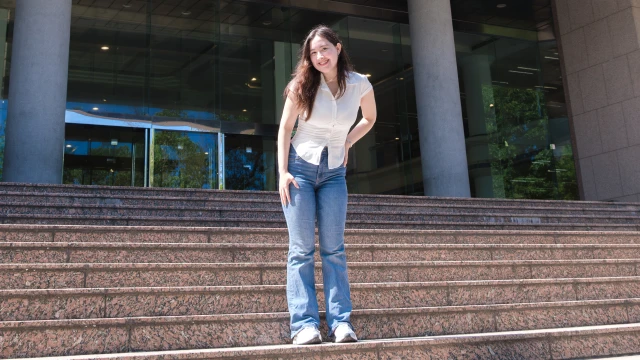
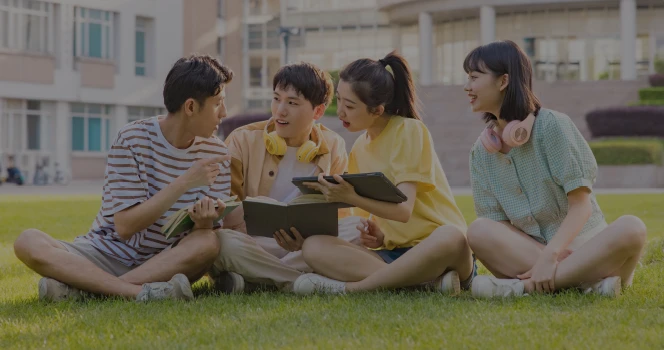
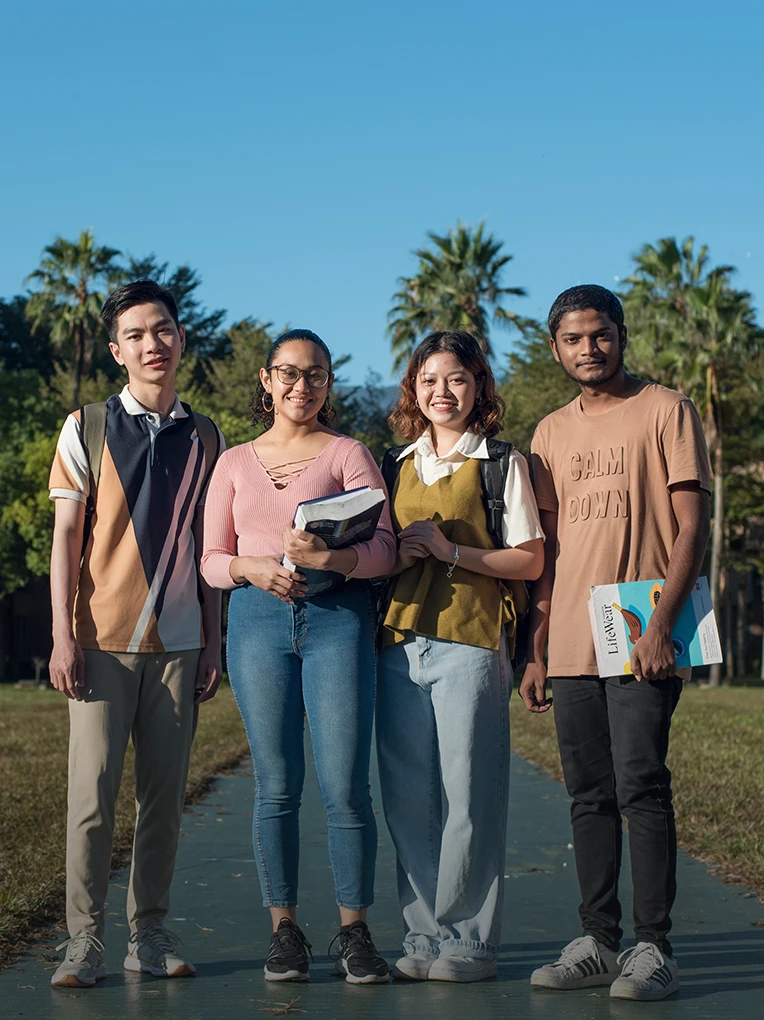
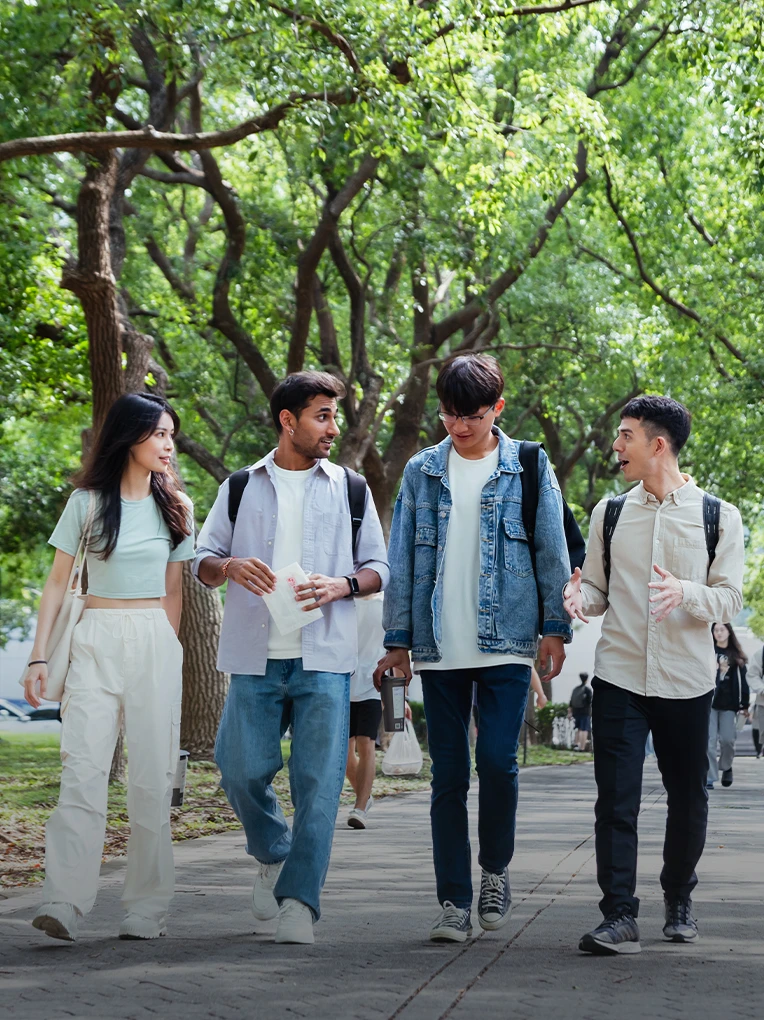
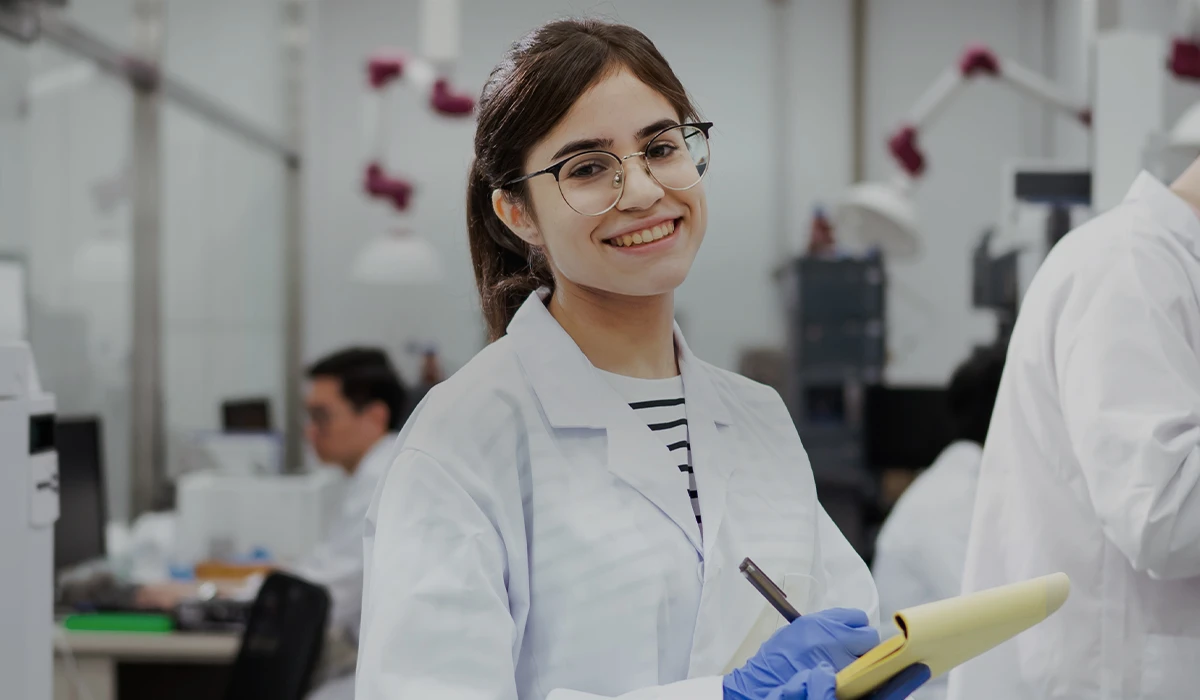
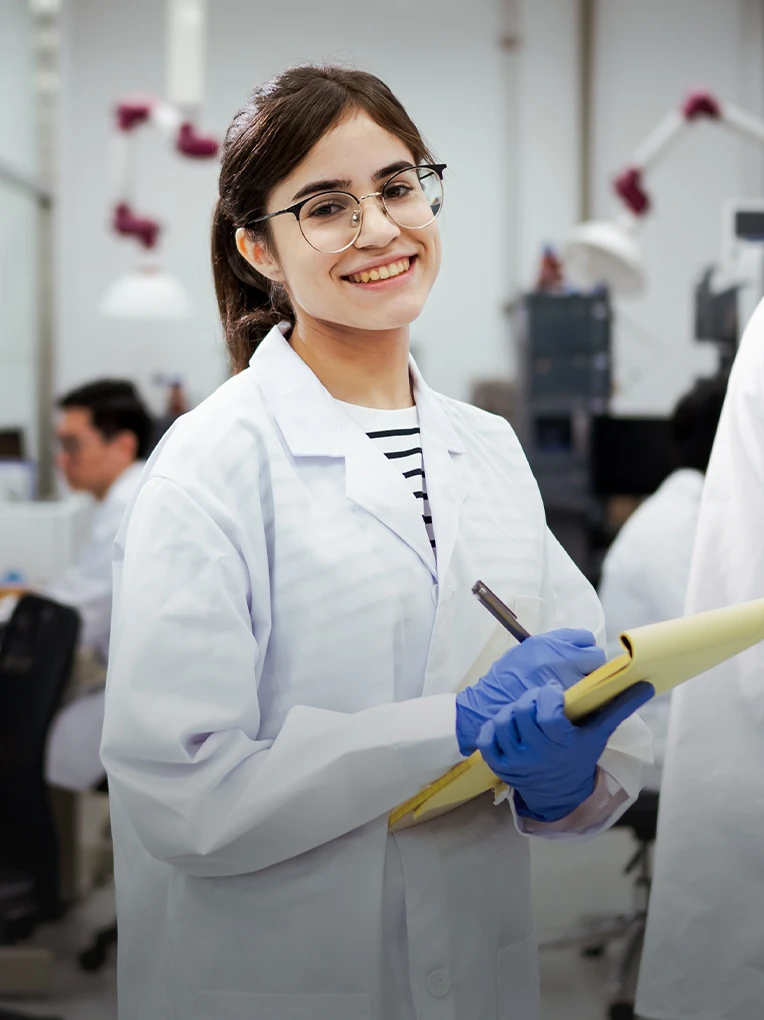
If you’re interested in Mandarin, technology, or meeting people from different cultures, I really recommend studying in Taiwan.
Reasons for Choosing Taiwan
Taiwan is considered one of the safest countries in the world, making it a reassuring place to live and study. Taiwanese people are warm, friendly, and welcoming, especially toward international students. Taiwan is an ideal environment to improve Mandarin skills—not only through formal courses but also through daily life interactions. The island embraces cultural diversity, allowing me to meet people from various countries and regions and experience different cultures and lifestyles.
Taiwan also has an excellent public transportation system. The MRT is clean and convenient, and the TRA and HSR are both affordable and efficient, making day trips and city-to-city travel very easy. There are diverse part-time job opportunities available for international students, which not only help us gain work experience but also provide financial support for daily living.
Additionally, I truly appreciate the freedom of speech and thought in Taiwan, where students are encouraged to express their ideas openly. Taiwan offers generous scholarship programs to outstanding students, allowing us to pursue our studies without financial concerns. Finally, Taiwanese universities offer multilingual courses and create career opportunities for international graduates, which greatly motivated my decision to study here.
Why University of Taipei
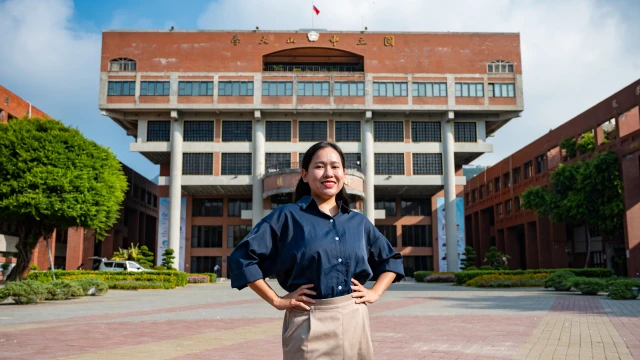
I chose to study at the University of Taipei because it is a public university, and the tuition is relatively cheap. It has Bo'ai and Tianmu campuses. The Bo'ai campus, located in the heart of Taipei City, was formerly the Taipei Municipal University of Education—the first public teacher-training university in Taiwan. It offers a prime location with convenient transportation, well-developed living infrastructure, and rich cultural and historical surroundings.
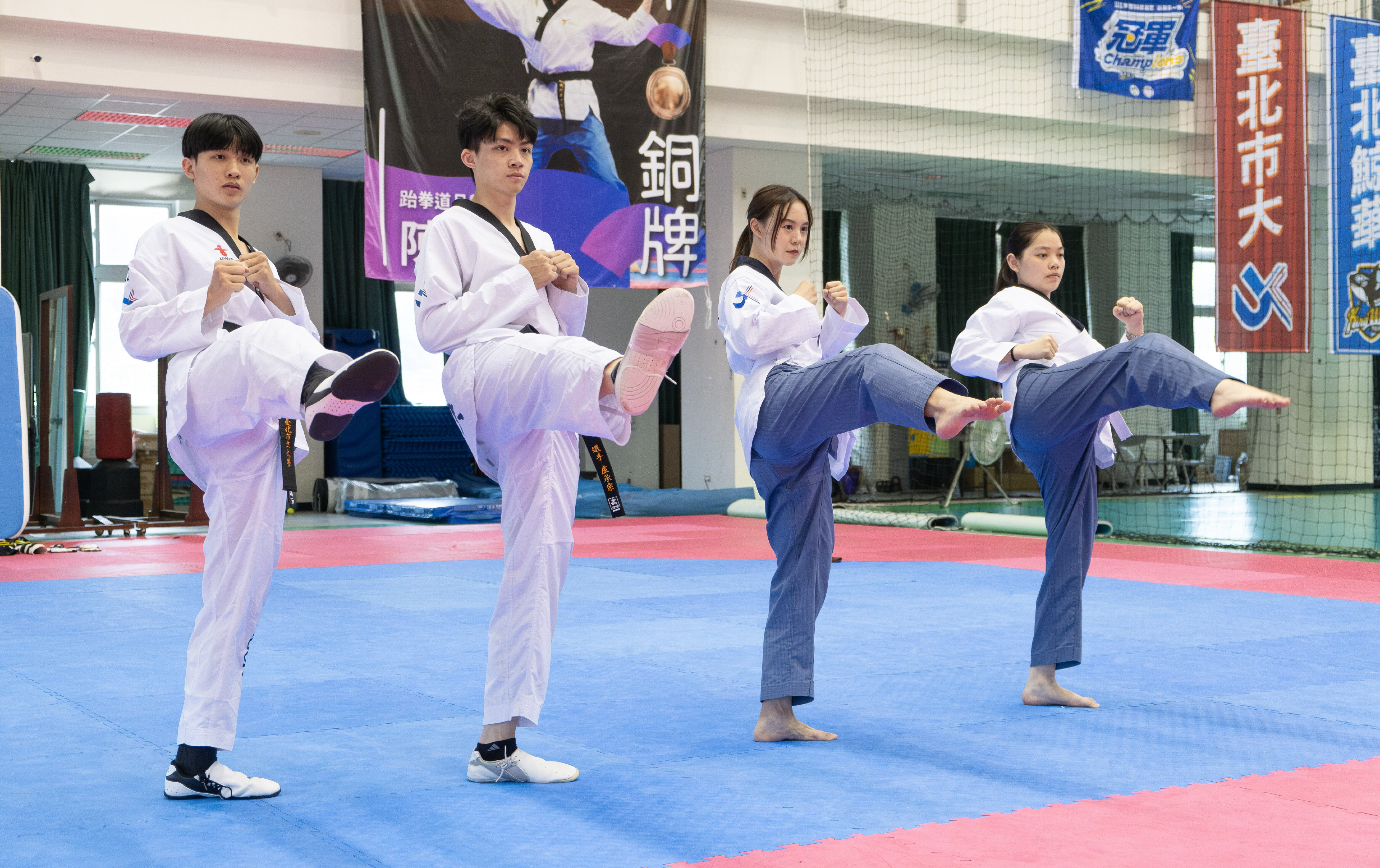
The Tianmu campus is situated at the foot of Yangmingshan National Park and was formerly the Taipei Physical Education College. It has produced many outstanding national athletes, including MLB pitcher Chien-Ming Wang, badminton world champion Tai Tzu-Ying, Olympic taekwondo gold medalist Chen Shih-Hsin, and Olympic badminton gold medalists Lee Yang and Wang Chi-Lin. The Tianmu campus is equipped with international-standard sports venues, cutting-edge facilities, and a team of experienced coaches and sports medicine professionals to provide comprehensive support.
Moreover, the University of Taipei plays a key advisory role for the Taipei City Government, housing the Department of Urban Development and the Graduate Institute of Urban Policy, which offer students substantial research funding and internship opportunities at city departments, enhancing both academic and professional development.
Program Selection and Interest
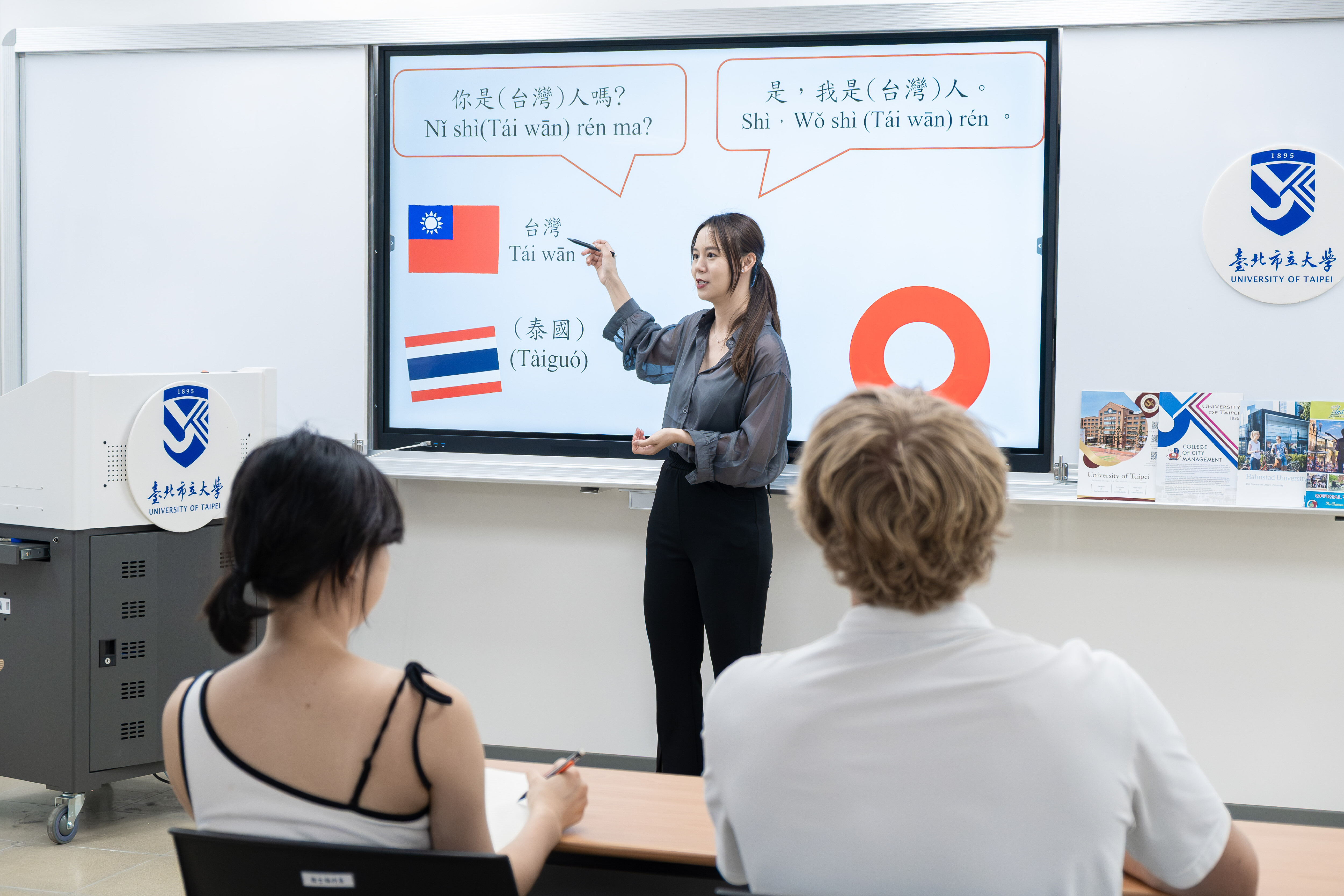
The University of Taipei comprises five colleges, twenty-seven departments, and two specialized degree programs. I am honored to be enrolled in the Master's Program in Teaching Chinese as a Second Language. My decision to join this program was deeply rooted in my long-standing passion and dream of becoming a Chinese language teacher. I believe that Taiwan offers one of the most well-established environments for learning how to teach Chinese. The teaching methods here are dynamic and innovative, and the instructors are enthusiastic and dedicated.
What impressed me most is that the program goes beyond language instruction—it incorporates Taiwanese culture and Chinese history, enabling students to experience the language in real-life contexts rather than just in textbooks. This approach truly captures the essence of learning Chinese in a practical and memorable way.
I hope to take the knowledge and teaching skills I acquire in Taiwan back to Thailand, where I can contribute to the development of Chinese language education. During my studies in Taiwan, I've had many opportunities to practice teaching Chinese. Working with students from different cultural and linguistic backgrounds has challenged me to adapt and refine my teaching methods, allowing me to learn through doing. I also enjoy exchanging ideas with classmates, which has helped me build meaningful friendships and gain valuable feedback that will benefit my future career as a teacher.
Helpful University Resources
The University of Taipei offers a wide range of scholarships for international students. The application process is clearly outlined, and the staff in charge are very patient and supportive. They help guide students through each step, allowing us to focus on our studies while receiving financial support for daily living.
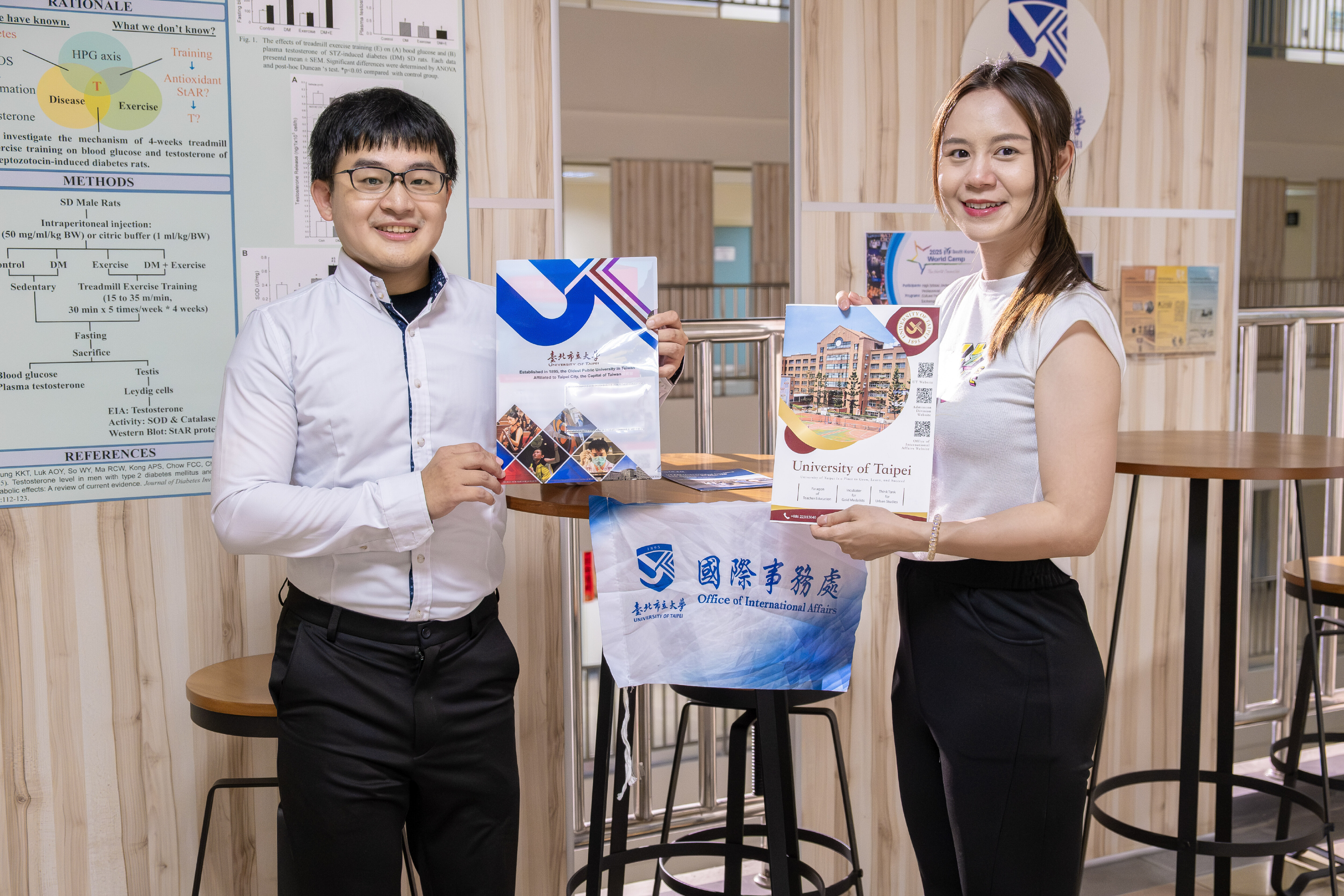
The Office of International Affairs is also extremely helpful. Whether it's during illness, course selection, or opening a bank account, they are always ready to assist us, which makes me feel cared for and not alone in a foreign country.
As a student in the teaching Chinese as a second language program, I've also benefited from hands-on opportunities. The university provided a space where I could practice teaching Chinese with exchange students from other countries. This experience helped strengthen my teaching skills and prepared me for my future career.
Mandarin Learning Challenges and Support
One of the biggest challenges I've faced while learning Mandarin Chinese is memorizing and writing Chinese characters. The structure of each character is often complex, with many strokes, and understanding both the form and meaning takes considerable time and effort. In addition, mastering the tones and grammar also requires continuous practice and adjustment.
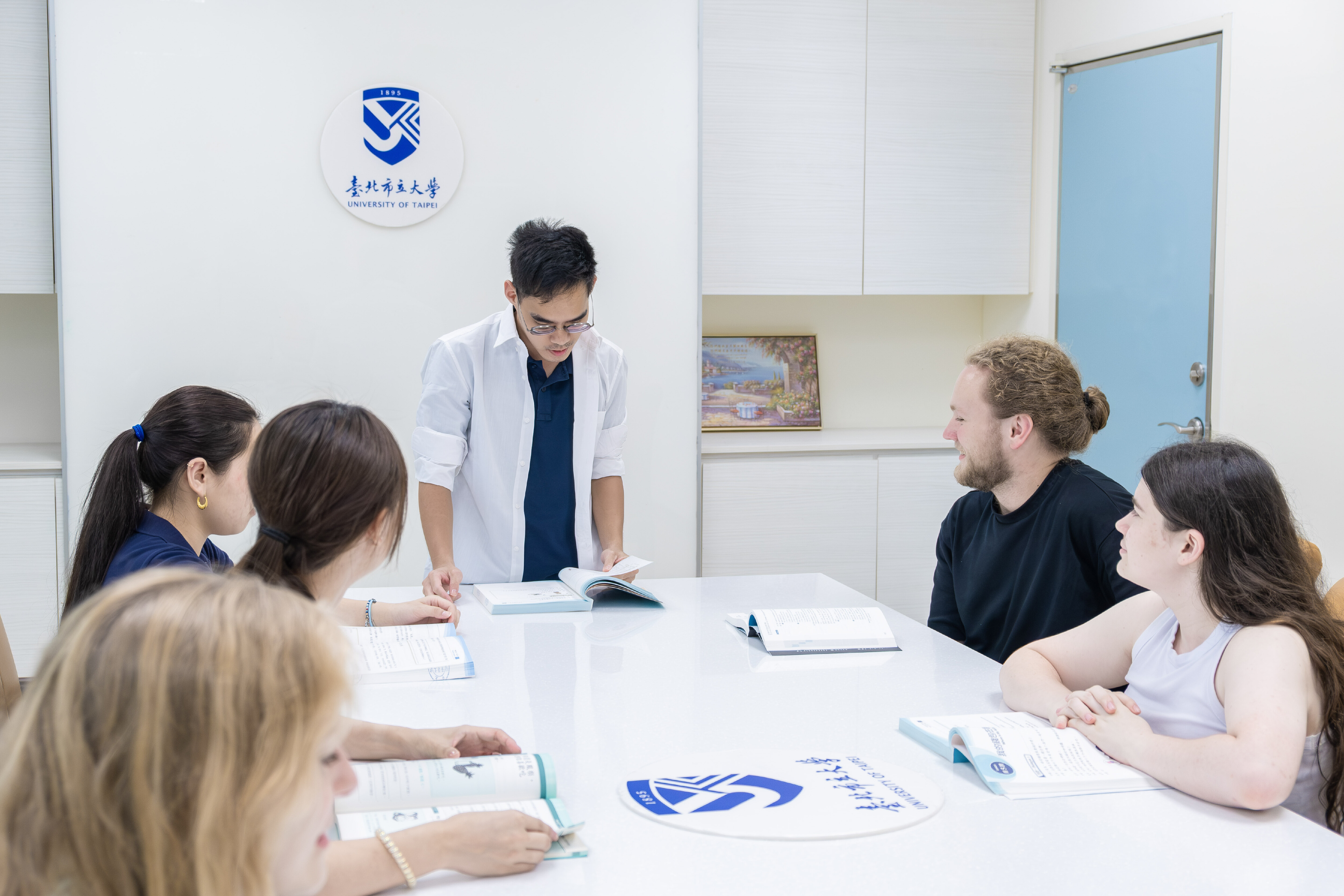
Fortunately, the University of Taipei offers a wide range of supportive resources to help international students overcome these challenges. First, the university provides free Mandarin language classes tailored to different proficiency levels. These classes are well-structured and gradually build up our listening, speaking, reading, and writing skills. The Mandarin teachers are kind, patient, and dedicated—they often go the extra mile to offer additional practice sessions or one-on-one tutoring outside of class to help us strengthen areas we find difficult.
In addition to formal language instruction, the university also offers various cultural workshops, such as calligraphy, seal carving, lantern making, and traditional festival celebrations. These hands-on activities not only deepen our understanding of Chinese characters and their cultural roots but also make learning more engaging and enjoyable. Experiencing the culture firsthand enhances my language skills in a natural and immersive way.
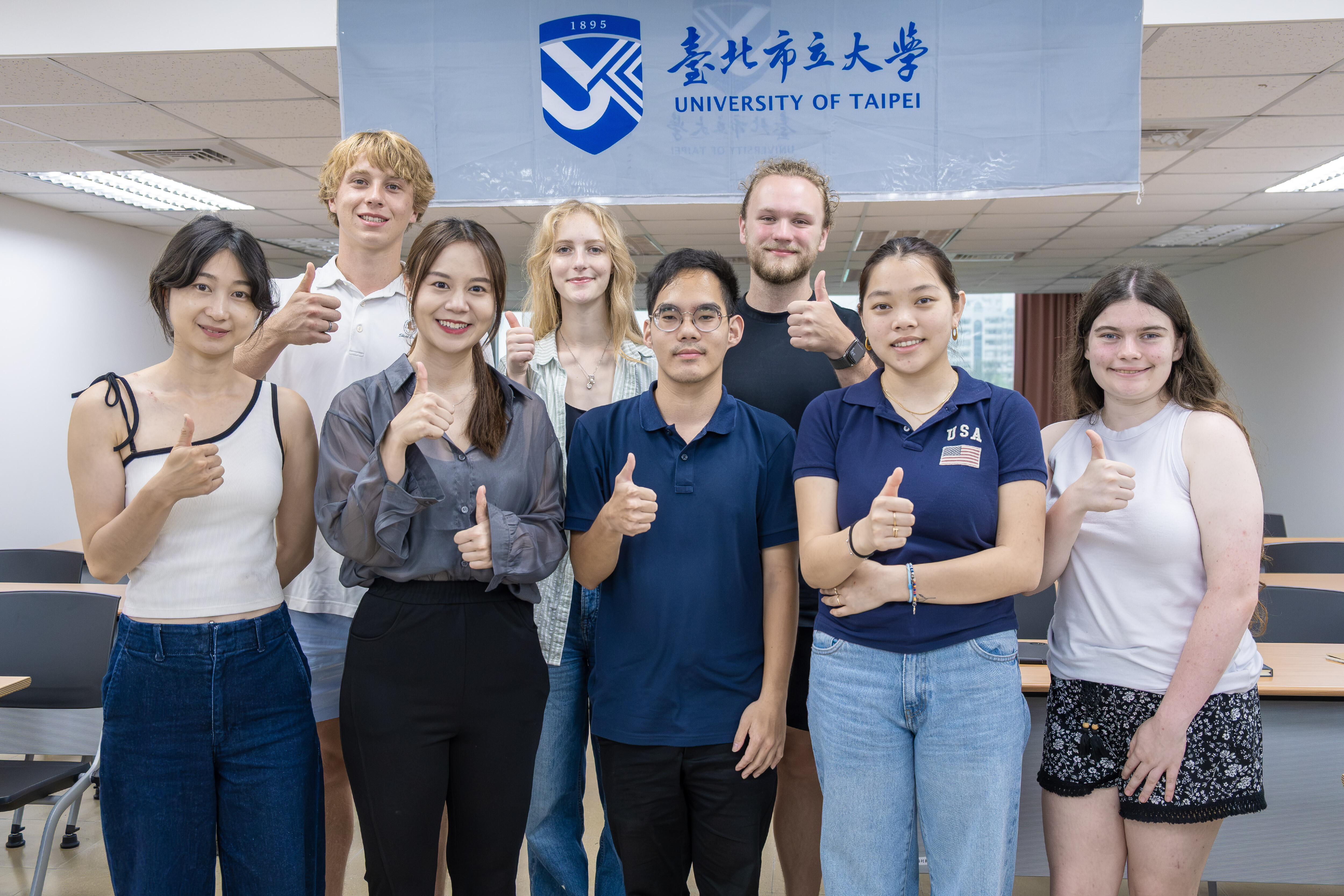
Moreover, the university has an "International Culture Club," which regularly hosts language exchange sessions, cultural events, and social gatherings. These activities promote meaningful interaction between international and local students. Through participating in these exchanges, I've had many opportunities to practice my spoken Mandarin in real-life settings and build friendships with Taiwanese peers. This has greatly improved my confidence and made the learning process both fun and fulfilling.
Campus Facilities and Surrounding
My favorite spot on campus is Shih-Hsin Hall, located at the Tianmu campus of the University of Taipei. It's a comprehensive sports center that offers a wide variety of athletic facilities and is the perfect place for both fitness and relaxation. The swimming pool is built to international competition standards—50 meters long with 10 lanes—which makes it ideal for both professional training and casual swimming. There's also a 25-meter diving pool where students can practice or enjoy watching diving performances.
One of my personal favorites is the spa pool, which is great for relaxing muscles after a workout. The hall also includes eight badminton courts, six table tennis tables, and a climbing wall for more adventurous training. In addition, there are designated areas for martial arts such as judo, taekwondo, kendo, and karate, as well as dance studios and a tug-of-war training area.
Beyond the campus itself, I also love the vibrant and international atmosphere surrounding the Tianmu area. The neighborhood blends cultural richness with modern convenience. I enjoy visiting places like the Tianmu Creative Market, the Beer Festival, and the annual Halloween parade. Nearby landmarks include the Taiwan Traditional Theatre Center, Shidong Market, and several international schools. There are also plenty of shopping options like Takashimaya and Shin Kong Mitsukoshi. On weekends, I often go hiking or picnicking at Yangmingshan National Park or enjoy the many nearby parks and restaurants. The whole area feels like a perfect mix of nature, culture, and lifestyle.
Achievements and Participation
While studying in Taiwan, I had the opportunity to take part in various cultural and extracurricular activities. One of the most memorable experiences was joining the Qingming Festival event in April, where we visited a cemetery to honor ancestors. During this event, I learned about the traditions of ancestor worship, the significance of offerings, and the historical background of the festival. It gave me a deep appreciation for how Taiwanese people value family heritage and cultural remembrance.
Beyond academic studies, I also actively participated in volunteer work through the university's Office of International Affairs. I became part of the international student volunteer team, where I helped welcome new students, assist with cultural events, and organize campus tours. This experience allowed me to meet students from different countries and departments, practice cross-cultural communication, and develop teamwork skills. I was truly honored to receive a Certificate of Volunteer Service—an achievement I'm very proud of during my time in Taiwan.
Personal Growth and Development
Leaving my home country to study in Taiwan has been one of the most transformative experiences in my life. It taught me how to live independently and develop strong problem-solving skills. One practical example is learning how to properly sort waste and understand the importance of recycling. I really admire Taipei’s policy of using designated trash bags and the wide availability of public trash bins near transportation hubs. These systems are not only convenient but also contribute significantly to maintaining a clean environment. Living in this system made me more aware of environmental protection and more responsible in my daily habits.
Moreover, Taiwan's open society and freedom of speech have given me the opportunity to engage with people from various fields and cultures. I've learned to appreciate different perspectives and values, which has helped me become more open-minded and culturally aware. These interactions have broadened my worldview and helped me grow not just as a student, but as a global citizen.
Future Plans: Maintaining Ties with Taiwan
I truly love Taiwan—the environment, the people, the food, the language, and the culture. In fact, I studied Mandarin in Taiwan for one year back in 2018. Even after returning to Thailand, I constantly missed my time here, which led me to come back in 2025 to pursue a master's degree. I have a deep interest in Taiwan's history and Chinese culture, and I now consider Taiwan my second home. After graduation, I hope to stay and work in Taiwan. If that's not possible, I would like to return to Thailand and work in a field that maintains strong ties with Taiwan.
I have a strong passion for travel and cultural exchange. Since I'm fluent in both Thai and Mandarin, I'm confident in my ability to bridge cultures. During my studies in Taiwan, I made an effort to explore different parts of the island and immerse myself in its culture. In the future, I hope to bring Thai students and tourists to Taiwan to help them experience the beauty and richness of the local culture. I want them to fall in love with Taiwan just as I did, and to consider studying or working here themselves. I believe my experience can serve as a bridge between our two countries and help foster more meaningful exchanges.
Advice for Prospective International Students
If you're interested in the Chinese language, technology, or meeting people from diverse cultures and countries, I highly recommend studying in Taiwan. It's a safe, convenient, and welcoming place that offers high-quality education and an enriching cultural experience. The people are kind and open, and the environment makes it easy to adapt and feel at home. I truly fell in love with Taiwan, and I believe you will too. Studying here will not only help you grow academically but also allow you to build lifelong friendships and unforgettable memories.
This website stores cookies on your device. These cookies are used to collect information
about how you interact with our website, which allows us to enhance your browsing
experience, analyze site usage, and improve our marketing efforts. By continuing to use this
site, you agree to our use of cookies. To find out more, see our
Cookie Policy.
Necessary Cookies
Always Active
Necessary cookies enable core functionality such as page navigation and access to secure areas.
The website cannot function properly without these cookies. These cookies can only be disabled by changing your browser preferences.
Analytics Cookies
Analytics cookies measure the usage of our website.
We use Google Analytics that gives us insight into how
many visitors come to our site and which parts of our
website visitors find most interesting. These analytics
enable us to continuously improve our website for a
user-friendly experience.
Marketing cookies make it possible to share the content
of our website through social media and help us with
marketing efforts. For more information, please see our
Cookie Policy.
Some cookies may need to be opted out directly from the service provider. Please
follow these links for more information: