
Taiwan's semiconductor ecosystem continues to flourish through strategic educational initiatives, international partnerships, and cutting-edge research. This edition explores how Taiwan's universities are powering the nation's technological sovereignty while creating global pathways for talent development in the semiconductor industry.
Journey to AI Sovereignty
Supporting Talent Development in Reaching Taiwan's AI Sovereignty
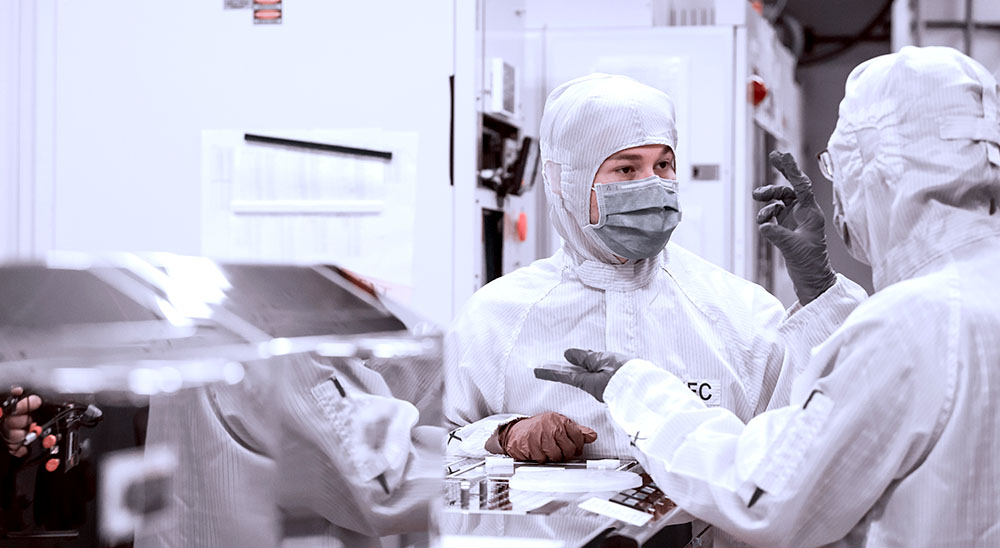
Students of the International College of Semiconductor Technology, NYCU. Photo: FICHET
Taiwan is making significant investments in artificial intelligence (AI) development to achieve AI sovereignty. The government plans to allocate approximately NT$30 billion (US$922 million) annually over three years to bolster AI infrastructure. A cornerstone of this initiative is the development of Taiwan's own trustworthy AI dialogue engine (TAIDE), managed by a team of researchers from, among others, National Yang Ming Chiao Tung University (NYCU) and National Central University (NCU). It is a Mandarin-language model specifically designed to use traditional characters, reinforcing Taiwan's cultural and technological autonomy.
At the city level, Kaohsiung in southern Taiwan is emerging as a leader in Taiwan's generative AI platform development. The Kaohsiung City Government has established strategic collaborations with Nvidia and domestic enterprises to construct its own sovereign AI, with the goal of maintaining digital autonomy while exploring AI applications in transportation, agriculture, and disaster relief. Furthermore, the city has successfully attracted semiconductor manufacturers and R&D centers to the New Asia Bay Area, creating a robust foundation for AI application development and innovation.
Supporting these technological advancements, southern Taiwan's universities are contributing significantly to semiconductor education and talent development. National Sun Yat-sen University (NSYSU) has established the College of Semiconductor and Advanced Technology, offering specialized postgraduate programs in semiconductor packaging, testing, and manufacturing. I-Shou University (ISU), on the other hand, offers specialized undergraduate programs that is backed by their AI Production Development and Service Center. Both universities contribute to the region's growing pool of semiconductor expertise and talent, strengthening Taiwan's position in this critical industry.
Pushing the Boundary
Efficiency, the Forefront of Semiconductor Research
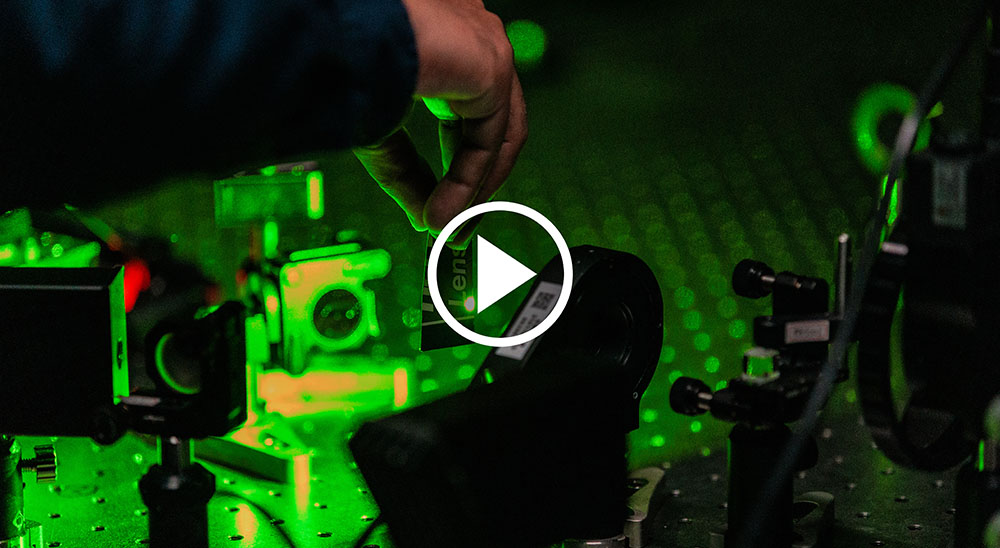
Students working in a physics lab at National Taiwan University (NTU). Photo: FICHET
Taiwanese universities are at the forefront of semiconductor research and are actively fostering collaborations to propel innovation. National Taiwan University (NTU) and National Tsing Hua University (NTHU) have jointly developed an advanced 4D microscope, enhanced by artificial intelligence, that allows real-time observation of neural signal transmission. An NTU researcher believes this technology can help advance energy efficiency in chip design, drawing inspiration from the human brain.
Furthermore, National Cheng Kung University (NCKU) has formed a tripartite partnership with the Tokyo Institute of Technology (Tokyo Tech) and the Taiwan Semiconductor Research Institute (NARLabs TSRI). This collaboration seeks to leverage Taiwan's semiconductor manufacturing prowess and Japan's strengths in materials and equipment to boost the semiconductor industry's competitiveness and cultivate talent. One of the partnership's goals is to establish advanced stacked packaging verification technology that can increase chip efficiency.
With a strong research partnership between Taiwan and Japan and the opening of TSMC's Kumamoto plant, National Taipei University of Technology (NTUT, Taipei Tech) leverages its strong alumni network and targeted the Japanese student pool for its International Bachelor's Program of Semiconductor Process and Equipment to meet the demand of Japanese semiconductor professionals. The program, in partnership with TSMC, is scheduled to commence in September 2025.
Education x Silicon Diplomacy
Forging Silicon Alliances: Taiwan and Europe's Strategic Semiconductor Partnership
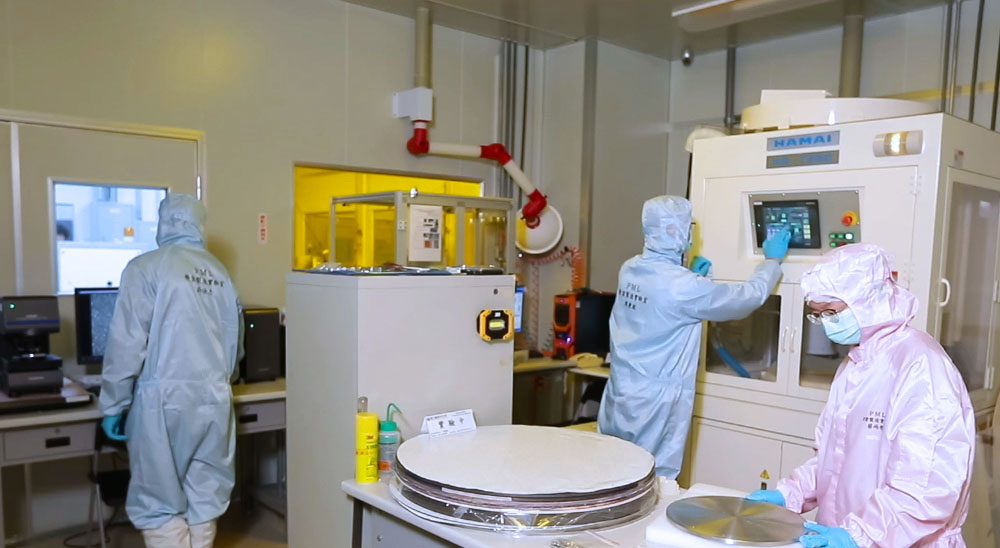
Taiwan Tech students working in a semiconductor lab. Photo: courtesy of Taiwan Tech
Taiwan and Europe are strengthening semiconductor ties through strategic investments and collaborations. TSMC is building a €10 billion (US$ 10.5 billion) chip plant in Dresden, Germany, set to begin production by 2027. This investment has created numerous opportunities for future collaborations, and Jorg Polste, German Institute Taipei Director-General, has expressed that Berlin has "comprehensive interest" in expanding bilateral exchanges with Taiwan.
The education exchange in semiconductor between Taiwan and Germany has already begun, with NTU working with Dresden University of Technology in offering short-term programs and training at TSMC facilities. Schools such as National Taiwan University of Science and Technology (NTUST, Taiwan Tech) are also expected to receive German students soon.
Complementing TSMC's Dresden fab, the Taiwanese government is also actively considering support for TSMC suppliers to establish operations in neighboring Czechia (Czech Republic), strategically positioned near the Dresden facility. Taiwan Semiconductor Research Institute (TSRI) is partnering with Czech Technical University in establishing Taiwan's first overseas IC design training base in Prague. This initiative aims to create a robust training ecosystem that leverages Europe's substantial market and intellectual resources.
Additionally, National Chengchi University (NCCU) and Prague's Charles University has established the Supply Chain Resilience Center in 2003, reflecting Taiwan's commitment to working with Czechia, which occupies a central position in Europe and possesses strong capabilities in manufacturing system integration. These initiatives collectively strengthen Taiwan-Europe semiconductor cooperation across manufacturing, education, research, and supply chain resilience.
Enriching the Education Ecosystem
Expanding the Talent Pool Through Partnerships and International Outreach
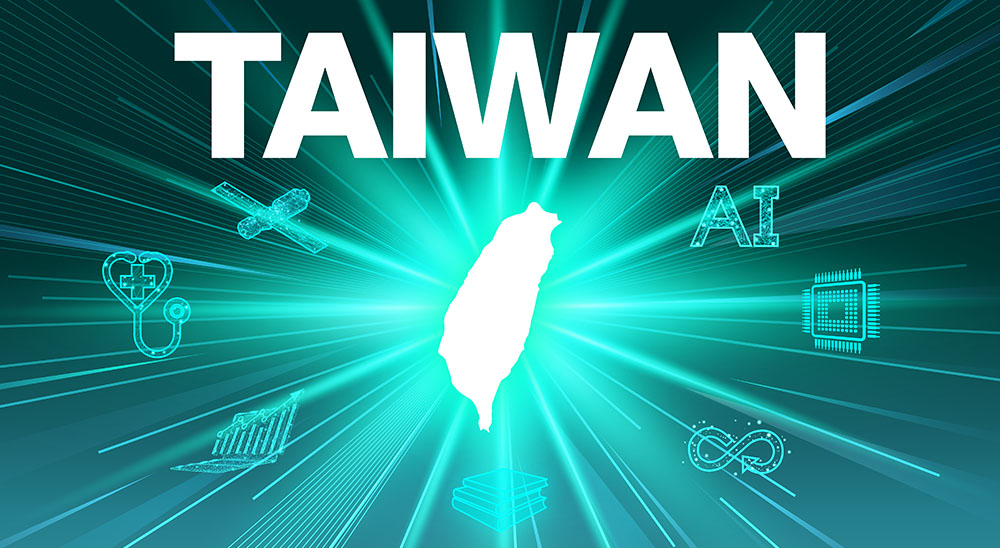
Taiwan: A Technology Island. Photo: FICHET
Taiwan's semiconductor industry is strategically bolstering its talent pipeline through comprehensive educational partnerships both domestically and internationally. Several Taiwanese universities have established specialized semiconductor programs in collaboration with TSMC, including National Chung Hsing University (NCHU), National Chung Cheng University (CCU), and Feng Chia University (FCU). These institutions offer robust curricula in electronics, electrical engineering, and optoelectronics that bridge theoretical knowledge with practical industry experience through internships and collaborative projects with TSMC. This educational ecosystem continues to expand as Cheng Shiu University joins other southern Taiwanese institutions like NSYSU and ISU at the 2025 Taiwan Semiconductor Job and Study Fair. The event, hosted in Malaysia through Taiwan's Ministry of Economic Affairs and in partnership with Southeast Asian universities, creates valuable connections between students and industry leaders including TSMC, ASE, ASML Taiwan, and Micron.
Beyond Southeast Asia, Taiwan is strengthening ties with India through targeted educational initiatives and talent development programs. Taiwan's National Development Council held education and job fairs in Bengaluru in December 2024 and attracted over 2,000 AI and semiconductor specialists with opportunities from companies like TSMC and Delta Electronics. Simultaneously, Yuan Ze University (YZU) has formed partnerships with Indian institutions, including an intensive oneyear program for Sastra University master's students specializing in emerging technologies.
The momentum continues as Tamkang University (TKU) and University of Taipei (UT) prepare to launch new semiconductor-focused academic programs. These forthcoming initiatives reflect Taiwan's comprehensive strategy to nurture semiconductor talent through educational partnerships, ensuring the continued growth and global competitiveness of its semiconductor ecosystem.
Five-Year Enrollment High
Taiwan's Growing Appeal to International Students
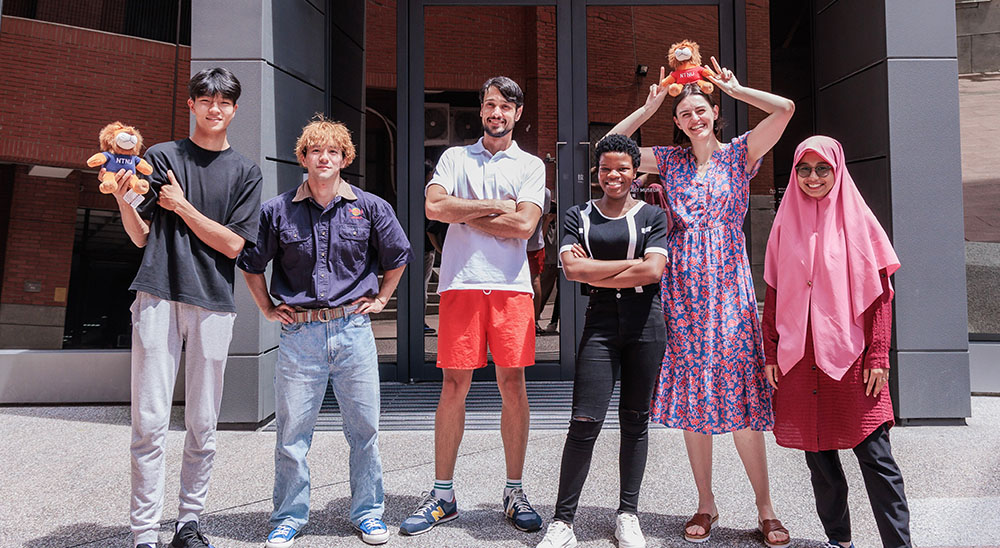
International students of National Taiwan Normal University (NTNU). Photo: FICHET
Taiwanese universities have reached a five-year high in international enrollment, with National Taiwan Normal University (NTNU) leading at 7,648 students. This growth stems from Taiwan's coordinated talent attraction strategy. The Ministry of Education also hosts annual job fairs in Taipei and Tainan that connect over 1,000 international students with employers while providing information on immigration and language resources.
NTNU exemplifies Taiwan's comprehensive support system through its bilingual education initiatives, English-taught degree programs, and dedicated international student services. The university offers employment counseling and internship opportunities that have successfully retained many graduates in Taiwan's workforce. Supporting these institutional efforts, the National Development Council is working to relax foreign professional recruitment regulations, particularly for mid-level skilled workers. This alignment between educational institutions and government policy creates a seamless pathway for international students from education to employment in Taiwan.
Semiconductor x Mandarin
Taiwan Rolled Out Semiconductor Mandarin Program
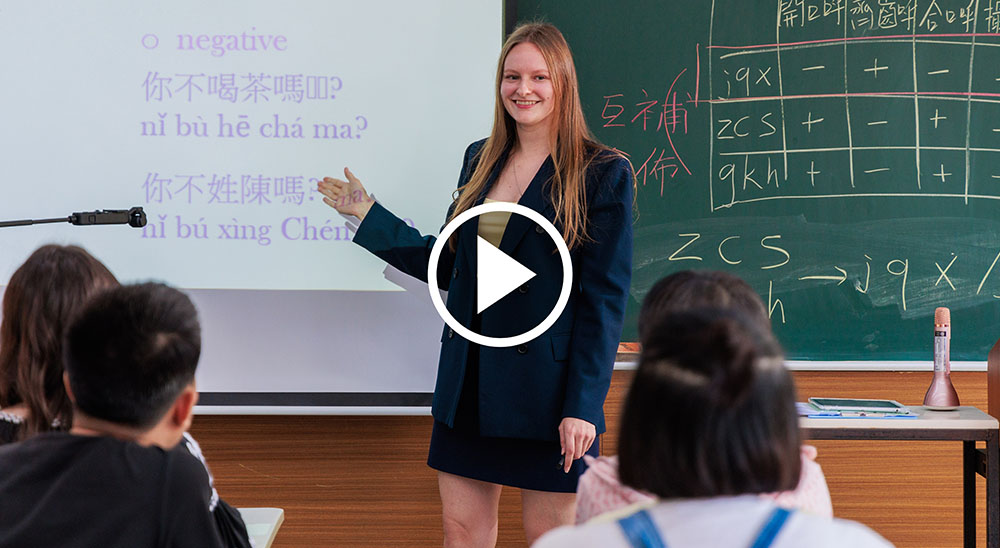
A student is doing mock teaching in a TCSL class at Tunghai University (THU). Photo: FICHET
Taiwan's Ministry of Education has launched a novel Mandarin Chinese language program specifically tailored to the semiconductor industry. The curriculum encompasses workplace training, insights into Taiwan's industrial culture, and overviews of global industry trends. The program, developed with the support of Fulbright Taiwan, incorporates situational videos featuring international students and instructors, offering a real-world learning experience. This initiative complements other efforts like Tunghai University's International Graduate Program of Teaching Chinese as a Second Language, which focuses on training international students to become Mandarin teachers with cross-cultural competencies.
FICHET & Study in Taiwan in Focus
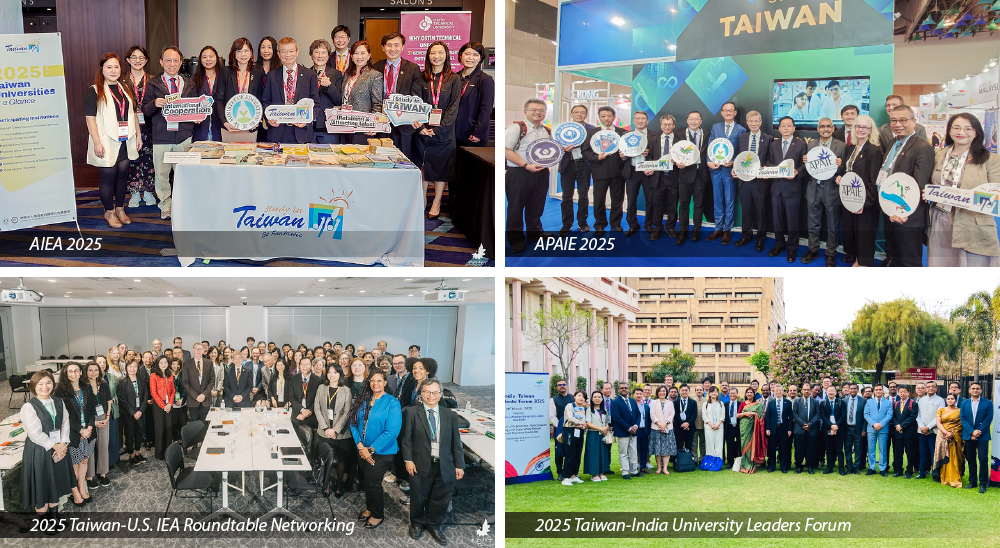
In the first quarter of 2025, FICHET has made significant strides in expanding Taiwan's international higher education partnerships through several key engagements. Making its debut at the AIEA Conference in Houston, Texas, FICHET showcased Taiwan's dynamic higher education landscape and fostered new connections with international education leaders from the globe. This was followed by a strong turnout at the Taiwan-U.S. International Education Administrators (IEA) Roundtable Networking initiative. Nearly 70 representatives from 40 Taiwanese and 16 American universities attended, seeking to deepen higher-education ties between both countries and promote further collaboration.
FICHET also continues to strengthen Taiwan's bilateral educational ties in APAIE 2025 in Delhi, India, where Taiwanese institutions actively engaged in talks with potential partners. Given India's deep engineering and technology talent, Taiwan prioritizes creating synergies between India's talent pools and Taiwan's strength in semiconductors, ICT, and biotechnology, focusing on industry-academia partnerships and academic exchanges.
Following the APAIE 2025 event, government officials and representatives of Taiwanese universities also joined the 2025 Taiwan-India Higher Education Leaders Forum. In 2010, FICHET and Association of Indian Universities (AIU) signed the first MOU to enhance academic exchange and partnership, and agreement now entering its third renewal period. This year's forum focused on semiconductor technology and SDGs cooperation.
These early 2025 engagements underscore FICHET's dedication to enhancing Taiwan's global educational partnerships and its role in shaping the future of international higher education in the Asia-Pacific region. The foundation's active participation in these prestigious events signals a promising year ahead for Taiwan's international academic exchanges and collaborative opportunities.
We hope you found the content of this edition helpful. If you have any suggestions or comments, please let us know by writing us at fichet@fichet.org.tw. We appreciate your interest in Taiwan’s higher education and wish you a joyful holiday season and a prosperous new year.
From Our Students
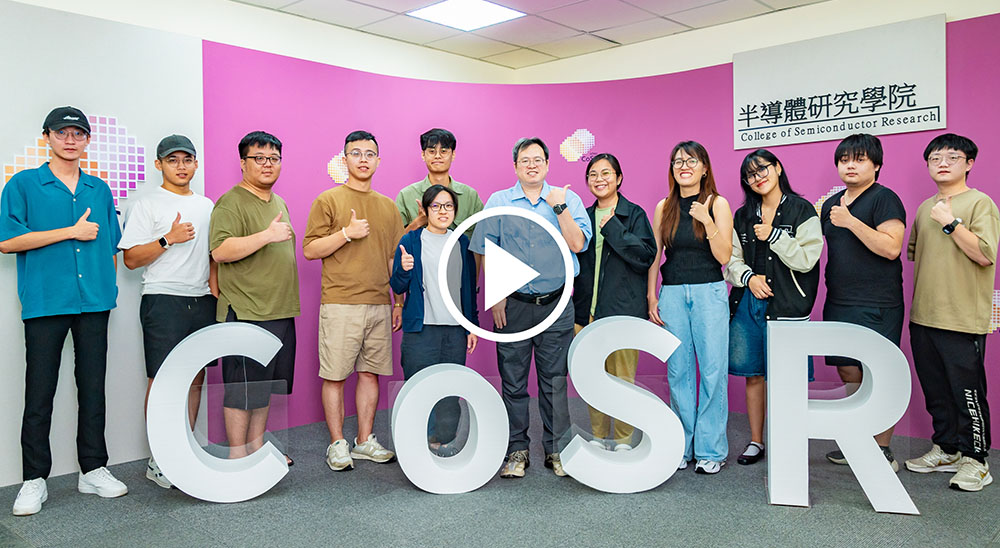
Students of CoSR at National Tsing Hua University (NTHU). Photo: FICHET
❝ By studying in Taiwan, I am positioned at the heart of the semiconductor industry, providing unparalleled opportunities for hands-on experience and exposure to cutting-edge developments.❞ —Phuong Huynh Uyen Nguyen (Vietnam) PhD student at the College of Semiconductor Research, National Tsing Hua University
❝ Taiwan's leading role in the semiconductor industry caught my interest. The country's commitment to liberal democracy was another big plus for me.❞ —Robert Ahr (Germany) Undergraduate student of information systems at Taipei Tech



![[FICHET Higher Ed in Taiwan Newsletter] Cultivating Chip Champions: Taiwan's Educational Endeavors in Semiconductor Excellence](/album/news/b68f553cfa00a470b7fbf6e9w1200.webp)
![[FICHET Higher Ed in Taiwan Newsletter] Cultivating Chip Champions: Taiwan's Educational Endeavors in Semiconductor Excellence](/album/news/b68f553cfa00a470b7fbf6e9w500.webp)
![[Forward News] 𝐈𝐍𝐓𝐄𝐍𝐒𝐄 𝐏𝐫𝐨𝐠𝐫𝐚𝐦𝐬 (International Industrial Talents Education Special Program)](/album/files/97160f98980cabe554243950+cw500h280.webp)
![[Forward News] MOE Short Term Research Award](/album/news/6697338f86479+cw500h280.webp)
![[FICHET Higher Ed in Taiwan Newsletter] Flying High in Higher Ed: Taiwan's Unmanned Revolution](/album/files/c859324572bdc94694075dae+cw500h280.webp)

![[Forward News] TSMC fab in Japan attracts semiconductor students to Taiwan](/assets/img/default_cover.webp)

