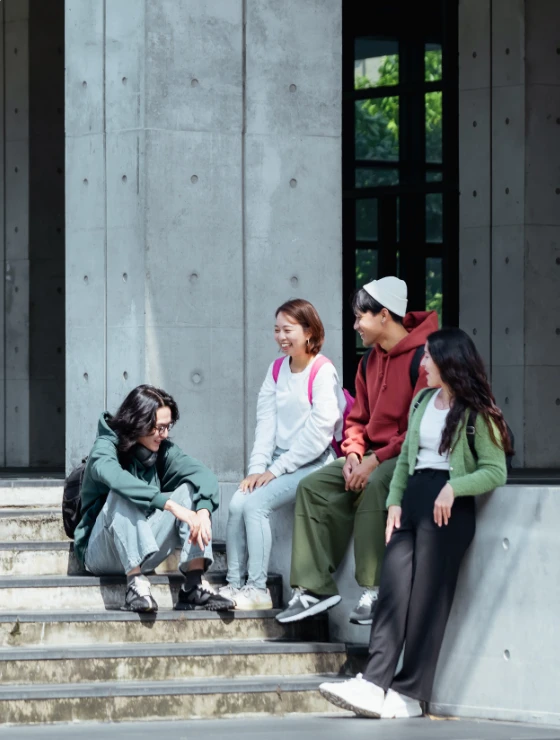
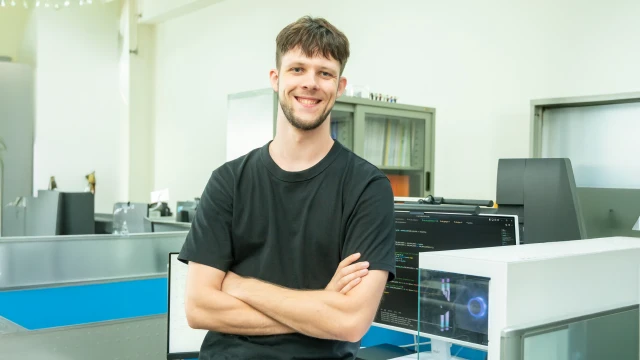
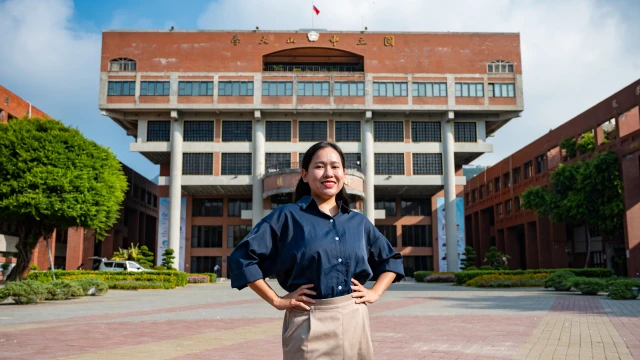
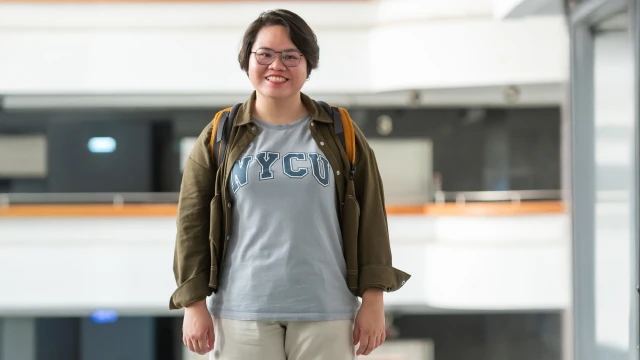
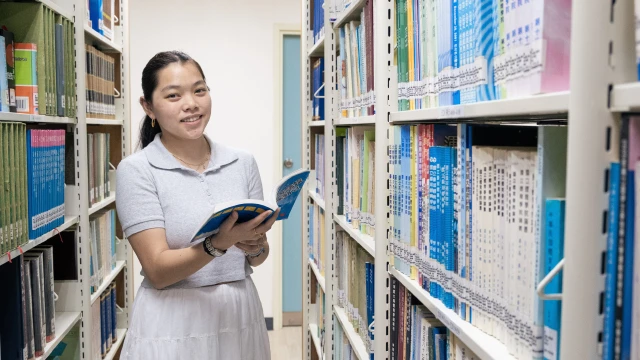
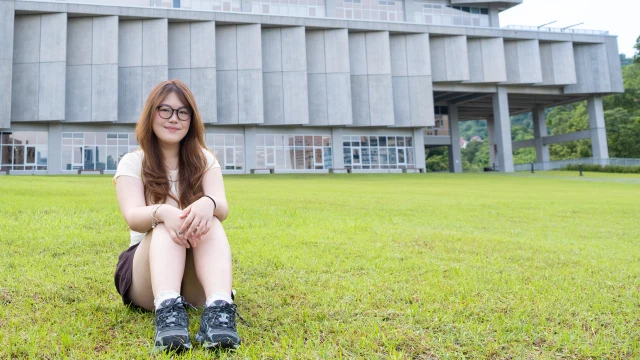
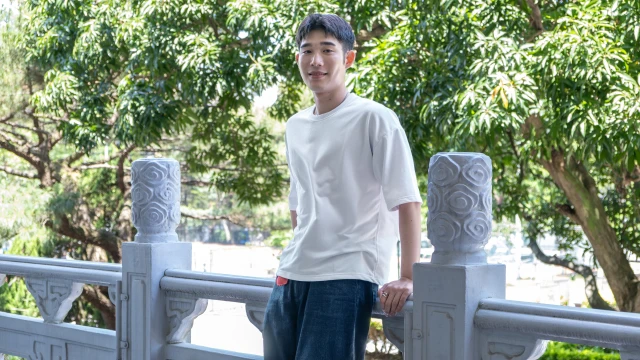
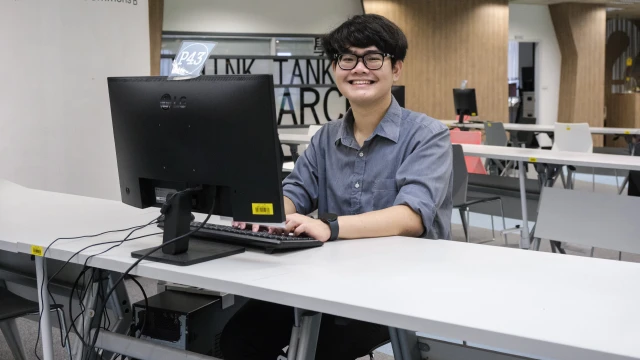
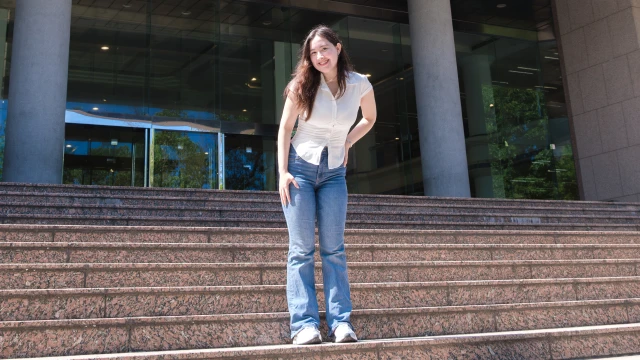
I've observed that NTUST continually strives to enhance teaching methods and offers activities to support international students, aiding me in acquiring a comprehensive skill set and knowledge.
Choosing Taiwan
One of the reasons I chose to study in Taiwan is to learn Mandarin. I studied Mandarin back in Indonesia, so I'm familiar with the language, but I never had the chance to use it regularly. In Taiwan, I have the opportunity to speak Mandarin daily, which is helping me improve my language skills and better understand the local culture. Additionally, I am a 3rd generation 華僑 (Chinese descendant) in Indonesia, which means that my parents no longer speak Mandarin. They hope that I can learn it on my own.
Another motivating factor is the reasonable living expenses. Indonesia is a developing country, and living there is very affordable. Therefore, life abroad often seems expensive to us. However, Taiwan offers quality education, and the living expenses are more reasonable compared to other Asian countries like Singapore, Hong Kong, and Japan.
Taiwan is also a safe country, especially Taipei, so my parents feel more at ease sending me here.
Pursuing An Education at NTUST
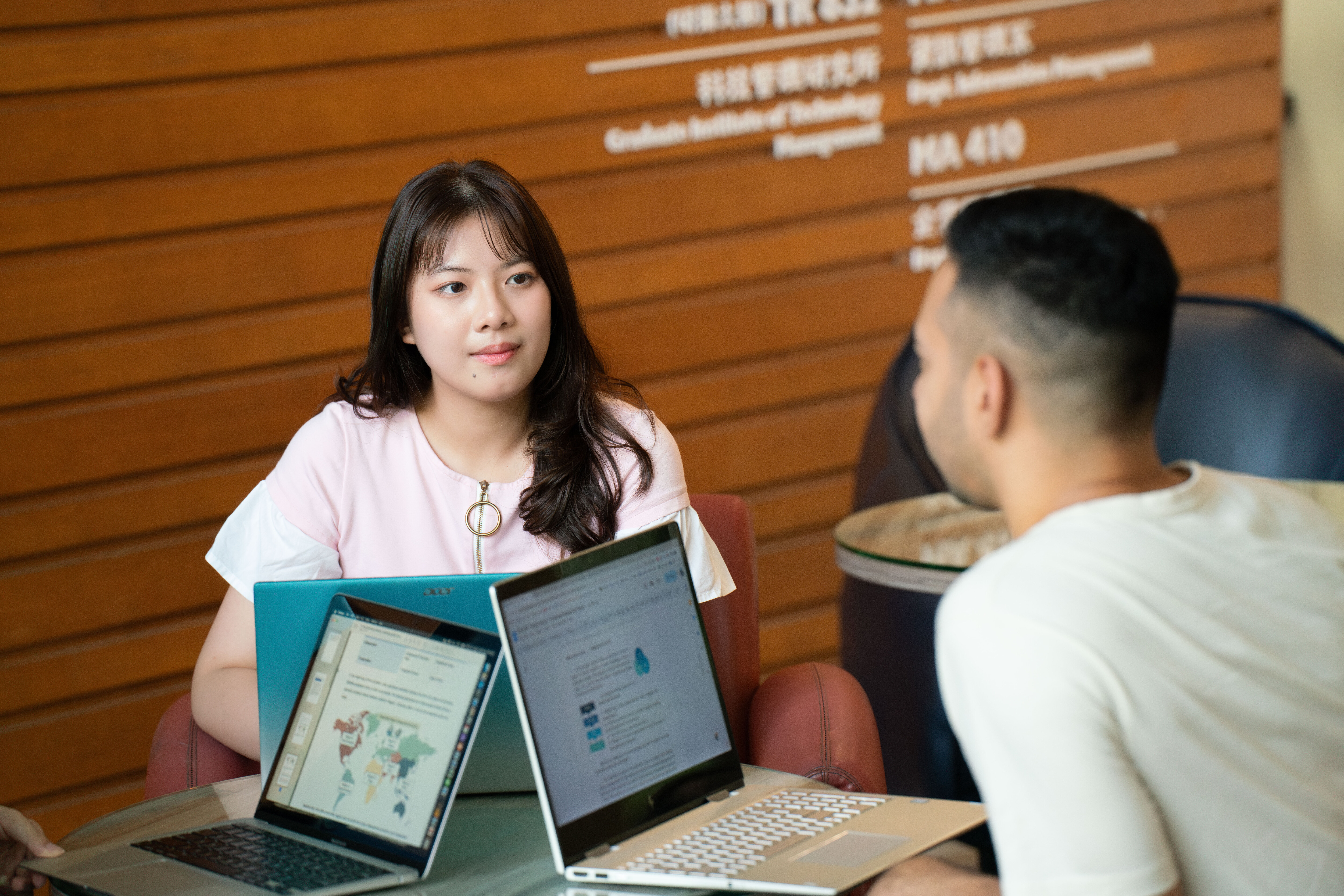
I graduated with my bachelor’s degree from NTUST. From my experience, NTUST is one of the universities that genuinely care about their international students. Therefore, when I considered pursuing my Master’s degree, I decided I wanted to remain at NTUST. The learning environment is excellent; there are many courses taught in English, I have the opportunity to meet many international and Taiwanese friends, and the professors are very supportive.
Applying online is very straightforward. One tip I can offer is to take courses at NTUST and, if possible, reach out to the professors. This approach allows me to obtain recommendation letters from them and receive advice on my academics.
One of my favorite places on campus is the turtle pond, surrounded by rustic wooden seating structures. The pond is a fantastic spot to unwind, especially on days with pleasant weather, where you can soak up the sun and relax. I enjoy climbing up to see the view from the top, and it's an ideal location for a meal or to catch up with friends. Watching the turtles in the pond adds to the tranquility of the area. I find this spot especially peaceful during the busier times of the academic year when I need a respite from my studies. All in all, the turtle pond is a cherished spot on campus.
Overcoming Challenges, Connecting with Home
Living in Taiwan as a non-native speaker can present certain challenges. A primary challenge is the language barrier. I had some basic knowledge of Mandarin before coming to Taiwan. However, I had learned simplified Chinese characters (Hanzi). After arriving in Taiwan, I found it frustrating to have some Mandarin ability, yet struggle because the Hanzi characters are so different. This meant I couldn't read much. In the first year, I tried to learn as many words as possible and relearn many characters. By the second year, I had improved and could recognize the words.
Initially, I thought that only the Hanzi would pose a challenge, but I soon realized that the vocabulary used also varied significantly. For instance, there are different pronunciations in Taiwan. The word 垃圾 is pronounced "lèsè" in Taiwan, not "lājī". Additionally, different words are employed in Taiwan for the same concepts. For example, in Taiwan, people say 腳踏車 (jiǎotàchē, bicycle) instead of 自行車 (zìxíngchē), 捷運 (jiéyùn, MRT) instead of 地鐵 (dìtiě), and 衛生紙 (wèishēngzhǐ, tissue paper) instead of 紙巾 (zhǐjīn). I was unaware of these distinctions initially, and it often confused the locals when I used the wrong words. Now, I've become accustomed to the language and can engage in everyday conversations with local people.
Another challenge was the food. Indonesian food typically has strong flavors, so during my first year in Taiwan, I perceived the food as somewhat bland. I've since acclimated to the local cuisine and found several dishes that I genuinely enjoy. Nevertheless, there are moments when I deeply crave Indonesian flavors.
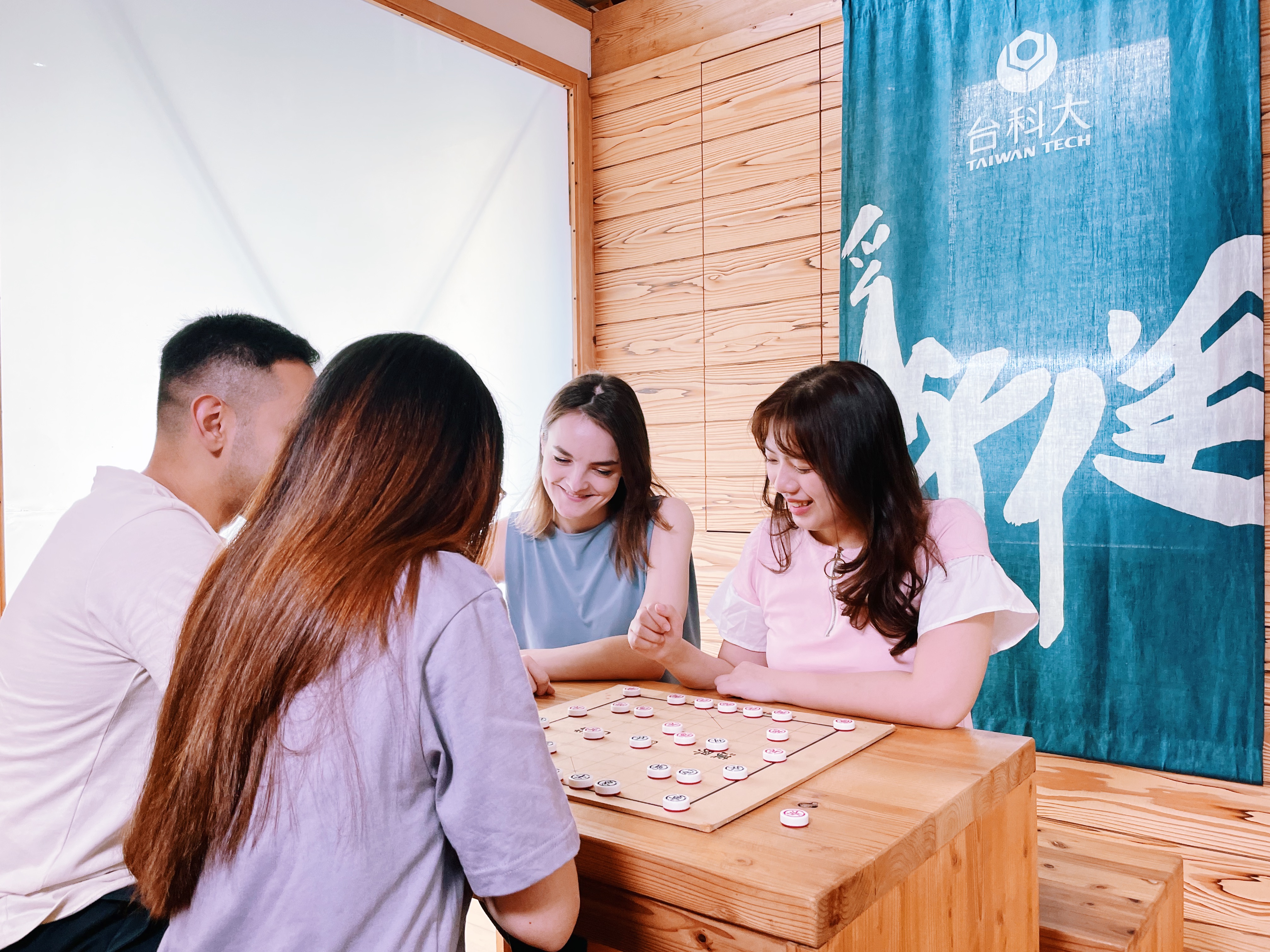
The language barrier wasn't as intimidating because my program is conducted entirely in English. Both the professors and my classmates are proficient in English, which significantly eased my transition. Regarding the food, there are restaurants that offer Indonesian dishes, providing a taste of home when I miss it. Additionally, cooking with friends brings a sense of home and camaraderie to our experiences in Taiwan.
Experiencing A Great Adventure
What I appreciate about living in Taiwan is that it's a safe and convenient country with excellent public transportation. In Jakarta, it was challenging for me to travel because the public transport was neither convenient nor safe. I often resorted to online taxi services, but traffic congestion was a constant issue.
Beyond my studies, I enjoy traveling with friends and exploring various parts of Taiwan. One of my objectives during my stay here is to visit as many cities as possible, experiencing the distinct cultures and lifestyles each has to offer. I'm captivated by the unique local events, landscapes, and history that make each place special. Of course, no journey is complete without tasting the local cuisine and savoring authentic dishes. It's a wonderful way to bond with my friends, expand my horizons, and make new discoveries.
Taiwan: Hospitable People, Quality Education, Diverse Culture, Stunning Landscape
Taiwan has been an excellent choice for me for several reasons. Firstly, the people here are very welcoming and hospitable, and I have always felt safe and comfortable. Everyone is friendly and always willing to help, which has made my transition to living and studying here much smoother. Secondly, Taiwan boasts a high-quality education system. As an NTUST student, I find it beneficial to access resources from both NTU and NTNU. I've observed that NTUST continually strives to enhance teaching methods and offers activities to support international students, aiding me in acquiring a comprehensive skill set and knowledge. Thirdly, Taiwan is incredibly diverse and multicultural. There are numerous opportunities to delve into different facets of Taiwanese culture, from savoring the local food to participating in cultural festivals and events. Lastly, Taiwan's breathtaking natural landscapes, ranging from mountains to beaches, provide countless outdoor activities. Exploring the country and immersing myself in its culture and traditions have been invaluable experiences.
Overall, I would highly recommend Taiwan to any international student seeking a safe, welcoming, and culturally rich environment in which to achieve their academic aspirations and expand their perspectives.
Another Chapter of the Adventure
Should I have the opportunity to remain in Taiwan post-graduation, I'd aspire to secure a job and embark on a career for a few years. With its burgeoning economy, Taiwan presents numerous prospects across various sectors, particularly in technology. I'm convinced that working here would offer me a chance to amass invaluable experience and hone my professional abilities.
Beyond career pursuits, I'd be keen to keep discovering Taiwan and its plethora of attractions. I intend to make the most of my time, exploring as much as possible.
Lastly, nurturing the relationships I've forged in Taiwan, with both locals and international peers, would be a priority. The country's warm and welcoming culture has allowed me to establish meaningful friendships, and I aim to maintain these connections and continually learn from them. My enthusiasm to continue this journey of exploration, learning, and growth, both personally and professionally, remains undiminished.
This website stores cookies on your device. These cookies are used to collect information
about how you interact with our website, which allows us to enhance your browsing
experience, analyze site usage, and improve our marketing efforts. By continuing to use this
site, you agree to our use of cookies. To find out more, see our
Cookie Policy.
Necessary Cookies
Always Active
Necessary cookies enable core functionality such as page navigation and access to secure areas.
The website cannot function properly without these cookies. These cookies can only be disabled by changing your browser preferences.
Analytics Cookies
Analytics cookies measure the usage of our website.
We use Google Analytics that gives us insight into how
many visitors come to our site and which parts of our
website visitors find most interesting. These analytics
enable us to continuously improve our website for a
user-friendly experience.
Marketing cookies make it possible to share the content
of our website through social media and help us with
marketing efforts. For more information, please see our
Cookie Policy.
Some cookies may need to be opted out directly from the service provider. Please
follow these links for more information: