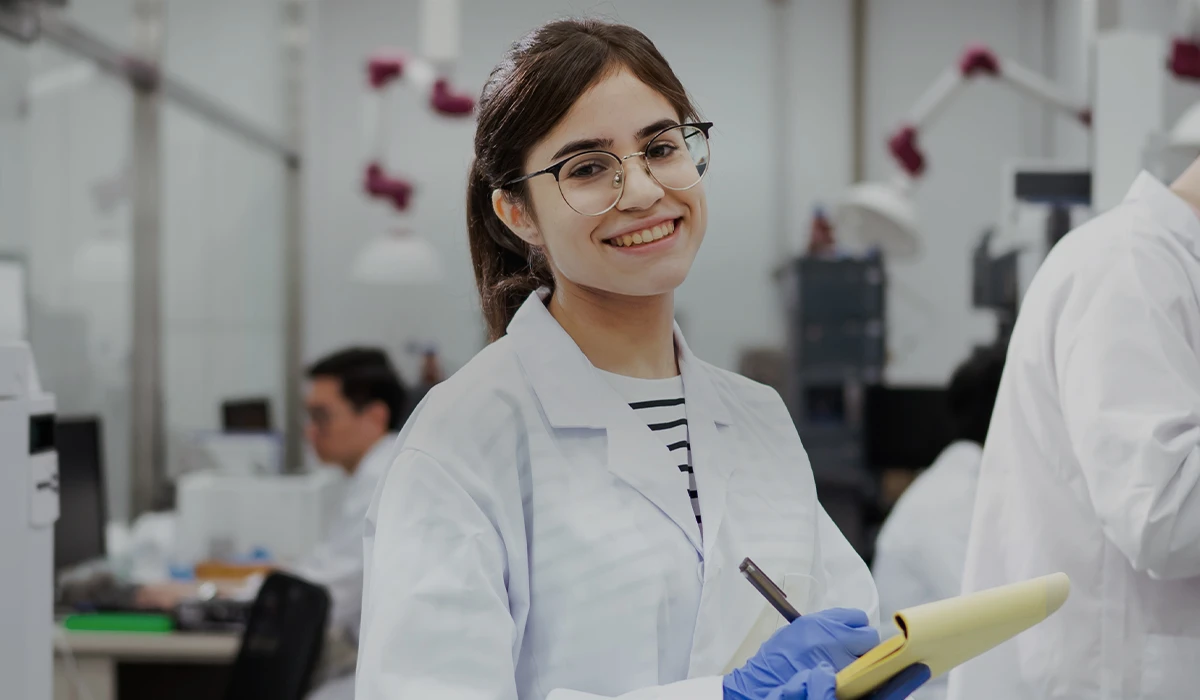
I am Ana Elena Avina Estrada, known as Lani. As a certified plastic and reconstructive surgeon (No. 1856) from Mexico, I worked in various hospitals and held a hospital management position in Mexico City. My passion lies in learning and applying knowledge to overcome challenges and grow. My husband is my biggest support and teammate in life.
Motivation for Studying in Taiwan
My decision to study in Taiwan was influenced by my desire to push the boundaries of reconstructive surgery. I wanted to explore advanced techniques like microsurgery and transplantation, and Taiwan is renowned for its excellence in microsurgery. This led me to apply for an observership, and I was deeply impressed by the quality of teaching, infrastructure, patient care, resources, and the healthcare system in Taiwan. Thus, I decided to pursue an M.Sc. in microsurgery here.
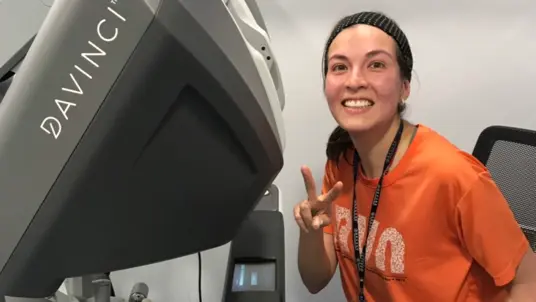
My studies at the Center for Vascularized Composite Allotransplantation, Department of Plastic and Reconstructive Surgery at Chang Gung Memorial Hospital/University cover a wide range of topics. These include various aspects of reconstructive microsurgery, such as head and neck, extremity reconstruction, breast reconstruction, and complications prevention. The most enjoyable aspect of my studies has been learning from exceptional professors in the operating room, which has been the best learning experience of my life.
Comparison with Home Country
While Mexico has excellent professors, Taiwan stands out for its unparalleled safety, hardworking and respectful culture, and superior learning environment. The facilities at the university and hospital in Taiwan are exceptional. The resources available for sophisticated surgeries are more readily accessible compared to Mexico, where hospitals sometimes lack resources and patients often cannot afford necessary procedures. In Taiwan, if a significant surgery is needed, it is performed regardless of cost.
Challenges and Cultural Adaptation
The greatest challenge was adapting to cultural differences in daily life, including food and social norms. I overcame these challenges by paying close attention, observing successful practices, and receiving immense support from local friends who helped me understand and adapt to the new environment.
Future Plans and Career Prospects
After completing my master’s degree, I plan to pursue a PhD. While I dream of staying in Taiwan, a place I describe as a perfect blend of modernity, tradition, safety, and happiness, I must be realistic. Working as a surgeon in Taiwan would require certification in several medical fields, and my Mandarin proficiency is still developing. Nevertheless, I am hopeful about the possibility.
Achievements in Taiwan
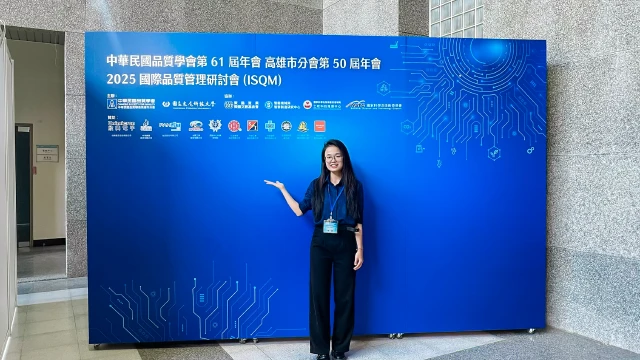
During my studies, I have observed and collaborated in numerous surgical events, participated in conferences, symposiums, and research projects, especially in Vascularized Composite Allotransplantation. Additionally, I have been involved in cultural exchange activities, promoting understanding between Mexico and Taiwan.
Advice for Prospective Students
I encourage potential students to take the risk and embrace the opportunity to study in a different culture. The experience is enriching and positively life-changing. It’s important to research learning opportunities, be mindful of application deadlines, and stay organized with documents. Despite any challenges, the effort is definitely worth it.