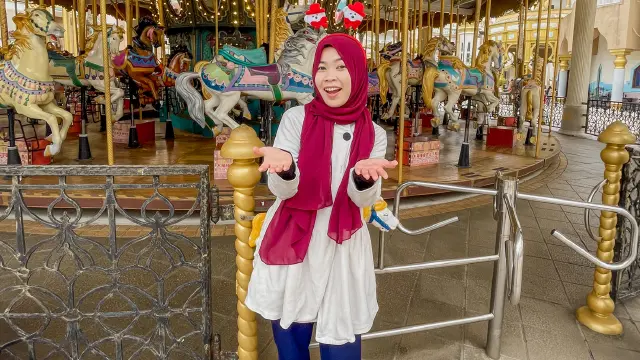
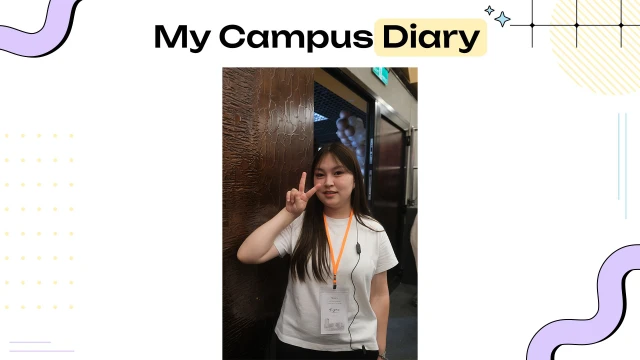
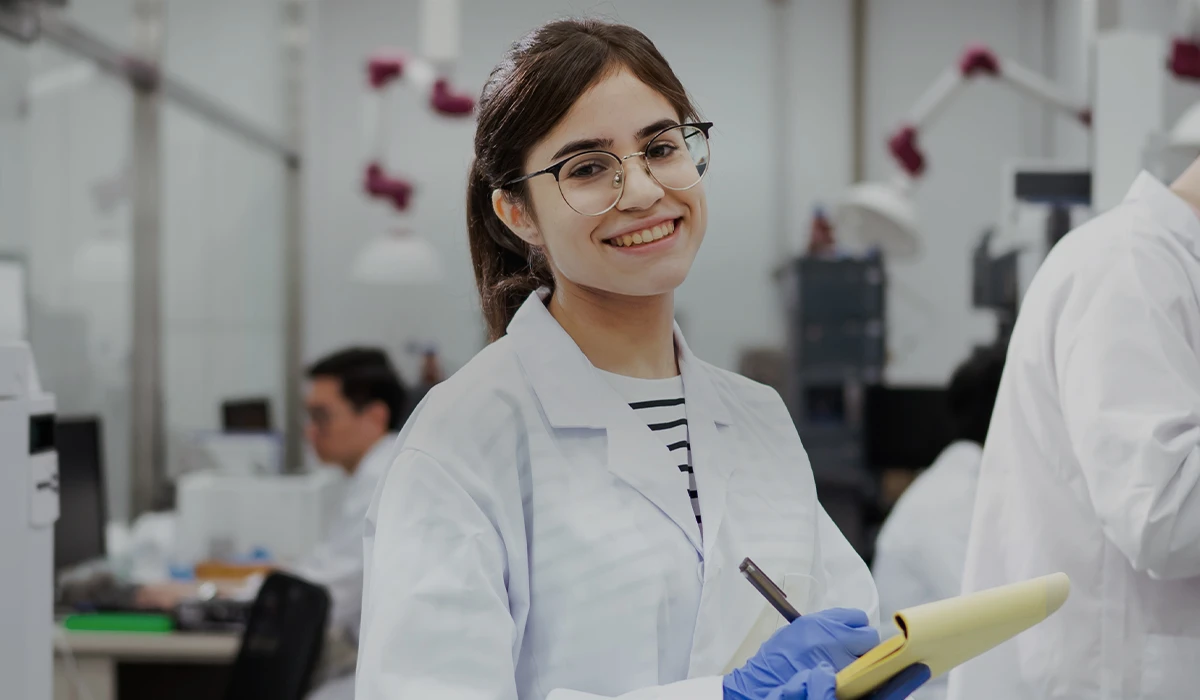
I am Thuy, also known as Cindy, a 26-year-old graduate student in the Medical Imaging and Radiological Science Department at Chang Gung University. I am known for my smile and spend my weekends improving my English, guitar skills, and knowledge of Taiwanese culture. My dream is to contribute to decreasing cancer mortality, and I am working hard to achieve this goal.
Decision to Study in Taiwan
After graduating with a bachelor’s degree in Vietnam in 2017 and facing job-hunting pressures, I decided to study abroad to broaden my knowledge and challenge myself. I became interested in Taiwan after watching a video about the country. I was impressed by Taiwan’s economic development, natural beauty, culture, and the high ranking of its universities. The main factors that led me to choose Taiwan were its education system and the people.
Educational Experience
I am pursuing a doctoral program in medical imaging and radiological science, focusing on using AI to detect and predict types of cancer. My studies include anatomy, bio-radiology, imaging processing, and radiation and modern physics. Although challenging, I enjoy the dedicated guidance of my professors, doctors, and the clinical practice opportunities.
Comparison with Education in Vietnam
Taiwan’s facilities and teaching quality in my field are superior to those available in Vietnam. Vietnam lacks graduate programs in medical imaging, so students interested in this field often choose to study abroad. In Taiwan, I have access to clinical data and well-equipped laboratories, enhancing my research capabilities.
Challenges and Overcoming Them
One significant challenge was the lack of information about Taiwanese universities in Vietnam. The admission process was complicated, requiring many documents. I overcame these challenges by using a study abroad service that provided information about universities, document collection tips, and life in Taiwan.
Future Plans
After completing my studies, I plan to do post-doc in the United States and eventually return to Vietnam to work in a university or research institute. Although I considered staying in Taiwan, language barriers and job opportunities as a foreigner were concerns. I cherish the experiences I’ve gained in Taiwan and hope to share them with others.
Career Benefits from Studying in Taiwan
Studying in Taiwan, especially in a field like medical imaging and radiology, is beneficial as it’s among the best in Asia. The knowledge and experience I’ve gained in modern radiation therapy technology will significantly aid my future career. Additionally, learning Mandarin and understanding Taiwanese culture have made me more adaptable and open-minded.
Achievements in Taiwan
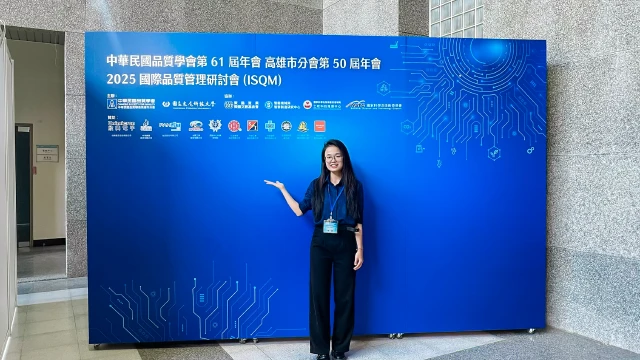
A notable achievement was presenting at the Symposium of Medical Imaging and Radiological Sciences (SMIRS) in 2020, where I shared my lung cancer classification research. This experience boosted my motivation and confidence. Improving my Mandarin language skills has also been a significant accomplishment, allowing me to better integrate into Taiwanese society.
Advice for Prospective Students
For those considering studying in Taiwan, research schools thoroughly to find the best fit for your study goals and scholarship opportunities. Learning Mandarin and understanding Taiwanese culture, weather, and food are crucial for a smoother transition. Contacting your school’s international office or student communities can provide valuable support in your early days in Taiwan.