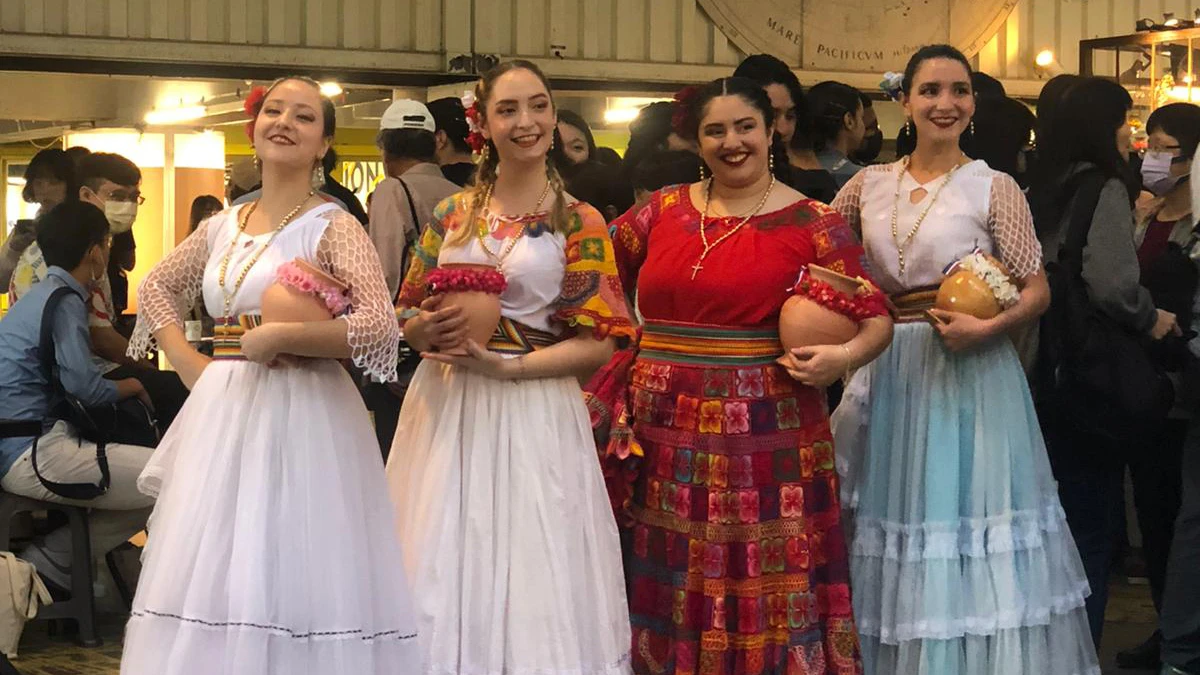
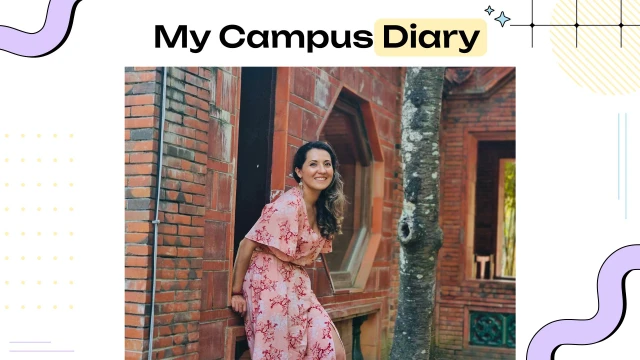
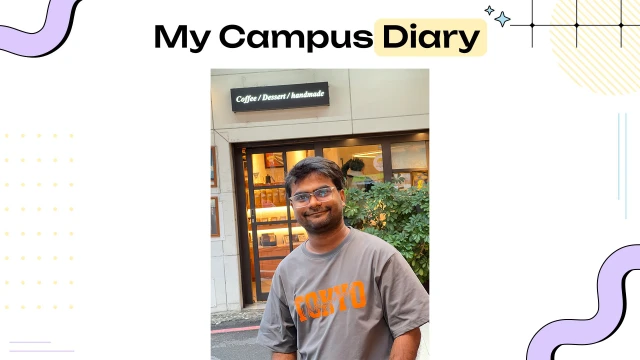
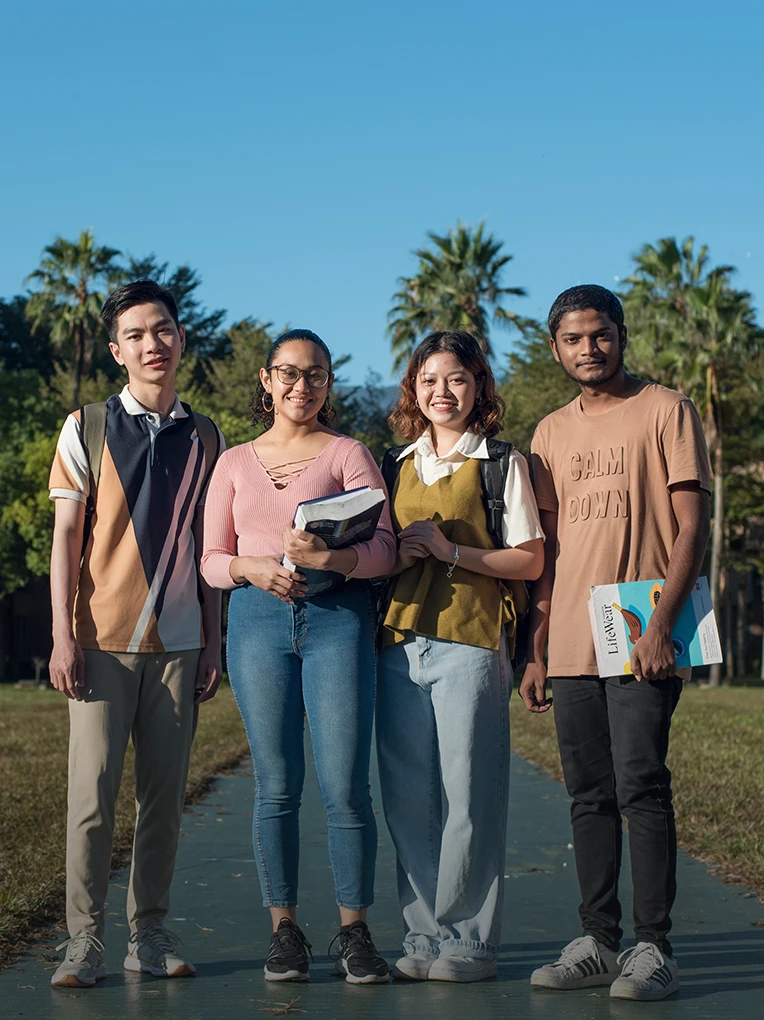
I arrived in Taiwan almost 5 years ago thanks to the Ministry of Foreign Affairs (MOFA) Scholarship, with the intention of pursuing a degree in forestry. I firstly studied Mandarin Chinese at Fo Guang University in Yilan and very soon, I fell in love with this cozy city that I am proud to call my home. Now I am a senior at the Forestry and Natural Resources Department at National Ilan University, I am also the President of the Paraguayan Students Association in Taiwan and a team member of the Bio-polymer Lab at my department.
Decision to Study in Taiwan
After finishing high school, I kept looking for opportunities to study my bachelor’s degree abroad and what initially caught my eye about Taiwan was the availability of scholarships and the opportunity to learn Mandarin Chinese. An older student from my high school had previously studied in Taiwan and had many good things to say about Taiwan’s security, the friendliness and open mind of its people, and the caring community of Paraguayan students here, which convinced me even more! The higher level of universities and the relatively low cost on tuition fees and scholarship availabilities were the selling point for me and my family.
Academic Program
I am studying a B.Sc. in forestry and natural resources at National Ilan University, located in Yilan City. Once you get to the second year of the major, you must choose a specialty and the options are ecology, resource management, and wood utilization. I ended up combining ecology and wood utilization. My favorite courses include woodworking machinery, bioenergy, and plant physiology. What I enjoy the most from my major is that every summer and winter, the teachers plan trips as part of a class called “Forest Practice,” where we spend a week or more at the university’s forest farm in Jiaoxi, learning in-depth about silviculture, topography, and so much more.
Comparisons with Home Country
In Paraguay, forestry is often associated with ecology and environmental protection, preserving the ecosystem and the living beings that are part of it. In Taiwan, there are different approaches to forestry, including wood utilization and wood chemistry, as well as wildlife and parks management. Another big difference I have found is that Paraguay’s topography is plane, while in Taiwan, most forest areas are on the mountains and change with height, giving me the possibility to study a wide range of environments.
Challenges in Applying to Study in Taiwan
The biggest challenge was the language; I didn’t understand anything in Mandarin Chinese when I applied, and the courses available in my home country were very limited and basic. I focused on improving my English communication skills first and getting the right certification for my application. Living away from my family for so long was a concern, but thanks to technology, I can still make video calls to my mother and keep in touch with my friends back home.
Future Plans
Taiwan has given me connections in my industry all around the world and a wider vision of forestry. I will be graduating soon with a bachelor’s in forestry and natural resources from National Ilan University and entering National Taiwan University to pursue a master’s degree in forestry and resource conservation for 2 more years thanks to the “Outstanding International Graduate Student Scholarship”. I hope to one day get a PhD and become a university professor. If the opportunity presents to accomplish my dream in Taiwan, I will be more than glad to stay in the country that gave me my capstone education.
Advice for Prospective Students
Open yourself to the culture slowly, start by making a couple of friends, trying out food at the night markets and soon you will be craving for more experiences! Also, learn to listen carefully and practice as much Mandarin Chinese as you can. My biggest advice would be to discover Taiwanese culture to its fullest in the countryside; don’t stay only in the big cities. Plan adventures during long weekends to unique festivals and explore smaller communities and stay with locals or take part in host family programs.