My Academic Journey to Taiwan
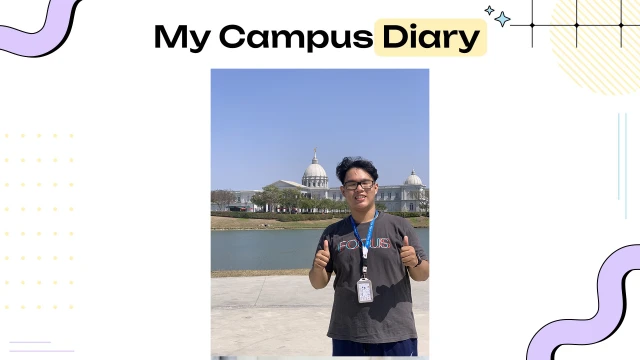
I completed my undergraduate studies at Diponegoro University, Indonesia, majoring in structural engineering. My academic excellence is evident from my master’s degree GPA of 3.60 on a 4.0 scale and my first semester grade at NCKU, which was 87.67 on a 100 scale. Prior to studying in Taiwan, I worked as a research assistant in a structural laboratory in Indonesia and served as a structural engineer in a reputable consulting company in my country, managing over 30 structural and retrofitting design projects.
I decided to continue my studies at NCKU in Taiwan because it is a leading institution in earthquake and structural engineering. Given my academic background and professional experience in these fields, pursuing research in this area seemed a natural fit. I am convinced that my research will contribute significantly to Indonesia’s development, especially considering the frequent earthquakes in the region that cause immense harm, including loss of life and damage to infrastructure. My research aims to raise awareness and contribute to the safety and resilience of Indonesian communities.
Civil Engineering at NCKU
I am currently studying civil engineering with a focus on structural engineering. My passion for this field was evident during my undergraduate and master’s studies, where I focused my thesis on related topics. Following my bachelor’s degree, my academic performance led to an invitation from my professor to work as a research assistant. I have been involved in numerous research projects in structural and earthquake engineering and have also worked in a structural and architectural design consultancy. These experiences have fueled my enthusiasm for studying and advancing in this field.
The research facilities in Taiwan are quite impressive, especially when compared with those in Indonesia. At NCKU, there are diverse laboratories tailored to the research specialties of each professor, such as in stone and granular mechanics, computer-aided structural engineering, railway engineering, and fire resistance. In contrast, most Indonesian universities focus on the main disciplines of civil engineering, such as structural, hydraulic, geotechnical, computer, transportation, and construction management. The research environment in Taiwan is notably more conducive to innovation and learning.
The research environment at Taiwanese universities is significantly more competitive and demanding than in Indonesia, encouraging students to strive for excellence. This competitive atmosphere fosters a culture of hard work and determination, leading to substantial personal and professional growth. I believe that the key to success lies in perseverance and a proactive approach to challenges, ultimately benefiting not just our individual careers but also contributing to academic and scientific advancement.
Language Barriers and Solutions in Taiwan
The most significant challenge I have encountered while studying in Taiwan is the language barrier. While English is commonly used in the classroom and on campus, it is less prevalent in day-to-day interactions outside the university. My limited Mandarin, restricted to basic conversations and numbers, sometimes hinders my communication. To overcome this, I am practicing Mandarin, using translation tools like Google Translate, and seeking assistance from local friends for navigating societal interactions outside the campus.
Future Plans and Career Aspirations Post-PhD
My PhD research focuses on developing Fiber Reinforced Polymer (FRP) strengthening for reinforced concrete beams. FRP is crucial for enhancing the structural integrity of buildings, especially in earthquake-prone areas, thus preventing collapse and minimizing loss. My goal is to establish an effective and economical method for applying FRP strengthening. Post-graduation, I am open to various career paths, including a potential return to Diponegoro University or exploring opportunities in Taiwan, depending on the job market and alignment with my academic expertise.
Advice for Future Students Planning to Study in Taiwan
Belief in oneself and the willingness to embrace challenges are crucial for academic success in Taiwan. The superior facilities and academic environment here enhance our ability to conduct in-depth research, leading to more comprehensive and practical outcomes. I also advise prospective students to learn some Mandarin before arriving in Taiwan, as it will greatly facilitate daily life and academic pursuits during their time here.