Personal and Academic Background
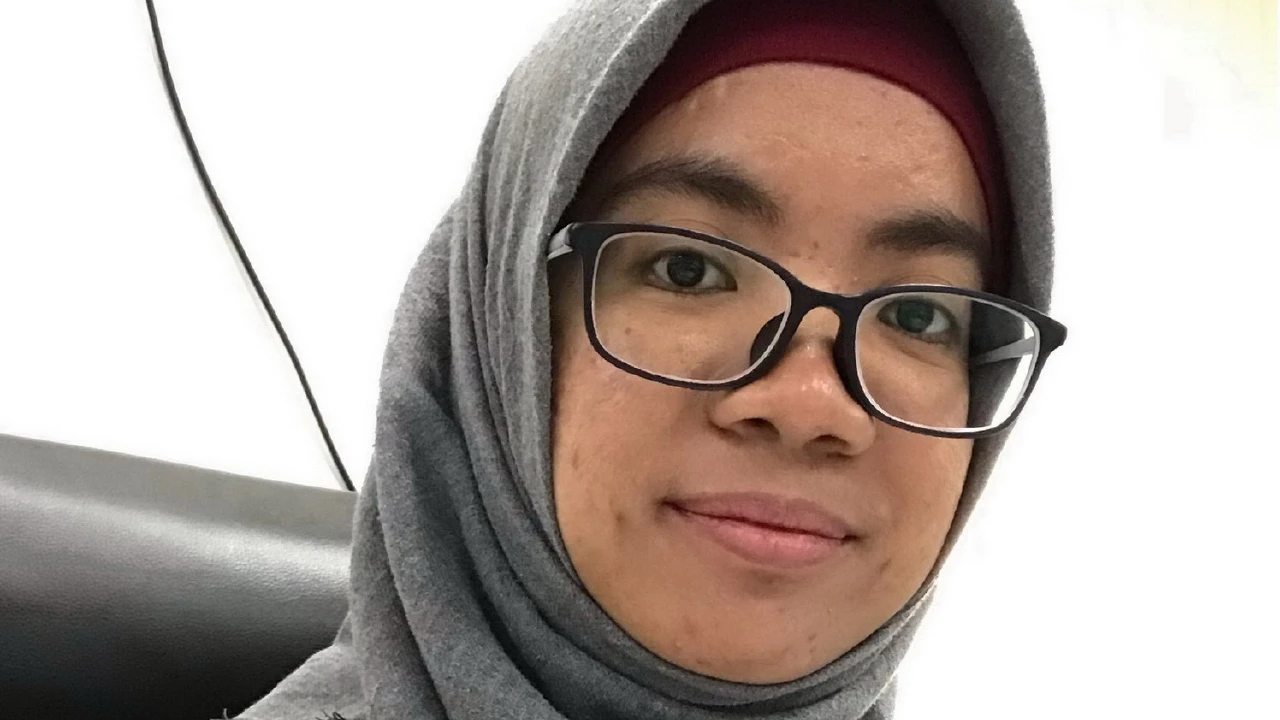
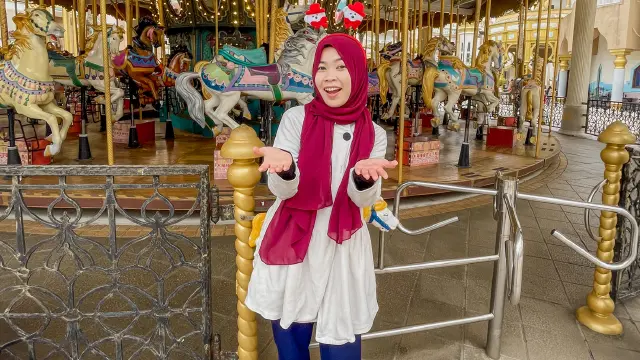
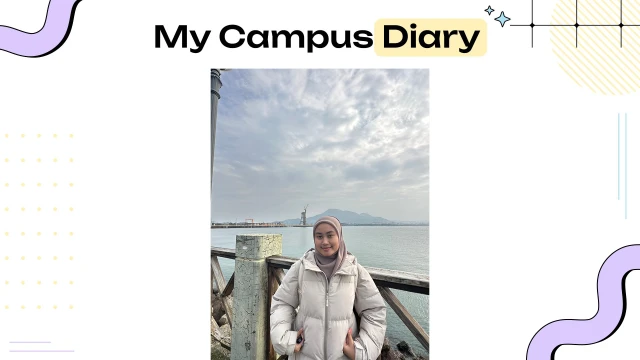
I hold a lecturer position in the Electrical Engineering Faculty of Science at Kalimantan Institute of Technology in Indonesia. My studies in Taiwan are supported by the Indonesia Endowment Fund (LPDP) – Ministry of Finance. I hold a dual master’s degrees from Sepuluh Nopember Institute of Technology, Indonesia, and Asian Institute of Technology, Thailand, majoring in power system engineering and energy. My hometown is Samarinda, East Borneo, Indonesia, and I have previously lived in Pathumthani, Bangkok, Thailand for a year. I have a younger sister who studies material science at National Chiao Tung University (now National Yang Ming Chiao Tung University) in Taiwan. Both my parents are employed at Samarinda State Polytechnic (POLNES); my father is a lecturer and my mother, an administration officer.
Why I Chose Taiwan for Engineering Studies
Taiwan was my top choice for engineering studies, after Japan, due to its straightforward enrollment process, industry-university research collaboration opportunities, part-time research assistant incentives, and complimentary Mandarin language classes.
The application process in Taiwan allows direct communication with prospective professors, which helped expedite the start of my PhD studies. Taiwanese professors are renowned for their research, industry projects, and publications, offering valuable learning opportunities in conducting research, securing funding, and fostering industry collaboration. The Electrical Engineering Department provides part-time research assistant positions with incentives, which has been financially supportive. Additionally, the free Mandarin language classes for two semesters have greatly helped me in daily interactions. NCKU’s buddy-buddy program was instrumental in helping me settle in Taiwan, with my buddy becoming a close friend.
The most significant challenge in applying for studies in Taiwan was the preparation of preliminary documents, which required multiple processes and was time-consuming. Living in Borneo Island, it took me nearly two weeks to travel to Surabaya in Java Island, Indonesia, to obtain necessary stamps from TETO, the Ministry of Foreign Affairs, and the Ministry of Higher Education. Additionally, I had to visit specific health clinics for vaccinations and obtain official copies of the certificates.
My Academic Journey in Electrical Engineering
In 2016, I began my doctoral program in the Electrical Engineering Department’s Power Group at NCKU. I work part-time as an adjunct assistant in the Energy and Power System Laboratory under Prof. Hong-Tzer Yang. Having completed 18 courses and passed my qualification exams in the first two years, my experience at NCKU has broadened my knowledge. Despite the primary use of Mandarin in courses, the professors provide English translations and encourage questions for clarification. Courses like power system engineering and engineering economics align closely with my prior experience and are among my favorites. The structured study environment, use of Moodle, clear syllabi, and guest seminars, especially ones featuring international experts, have significantly enriched my learning experience.
Comparing Taiwan with Indonesia, I find that Taiwan excels in teaching quality, learning environment, school facilities, reading resources, and laboratory infrastructure. Classrooms in Taiwan are well-equipped with computers, screen projectors, and microphones, ensuring effective course delivery. Doctoral students are provided with laptops and personal PCs, capable of running complex code, and have access to student licenses for major software like Matlab and Office. The campus Wi-Fi is fast and widely available, and students can access internet nationwide using TaNet. The school’s boundary-less learning environment and support for international conference attendance surpass my previous educational experiences.
A significant accomplishment during my studies in Taiwan has been my involvement in the Delta Company-NCKU research collaboration under the Energy and Power System Laboratory in the EE department. This experience has ensured the practical application of my dissertation topics and research. Another key achievement is my proficiency in Mandarin, which has expanded my communication skills beyond my mother tongue and English, enabling me to interact with people in other countries.
Post-Study Plans
My time in Taiwan has been instrumental in advancing my career. I have gained valuable skills in work ethics, Mandarin, and project collaboration, which will be beneficial for my resume. To graduate from a doctoral program in Taiwan, publishing at least two journal papers with an impact factor above 2 is required. Though challenging, this requirement will enhance my academic writing skills and benefit my future lecturing career. Additionally, my ability to speak Mandarin will aid in establishing research connections and undertaking projects with Taiwanese companies in Indonesia.
After completing my studies, I plan to return to Indonesia and resume my role as a lecturer at Kalimantan Institute of Technology, Balikpapan. While the prospect of working in Taiwan is attractive due to its positive work culture and high salaries, my experiences in Taiwan will be shared with my students to encourage collaborative opportunities with Taiwanese universities. I aim to motivate my students to pursue graduate programs in Taiwan, given its excellent higher education system, supportive infrastructure, and welcoming environment.
Encouragement for Future Students
I highly recommend studying in Taiwan for its first-class education system and the opportunity to learn Mandarin in a friendly environment. While the prospect of learning Mandarin might seem daunting, Taiwanese universities offer free language courses. Taiwan’s diverse international community, including students from Germany, the USA, France, Spain, Vietnam, Thailand, and Malaysia, creates a vibrant social atmosphere. For Muslim students, Taiwan offers a range of Muslim-friendly and vegetarian food options, along with a variety of fruits and healthy cuisine.