Decision to Study in Taiwan & Application Process
Initially, studying abroad, especially in a country with a language barrier, wasn’t on my agenda. However, upon learning about graduate school scholarships at NCKU and the high quality of materials science research in Taiwan, I decided to apply. This decision, driven by the desire for advanced learning and experiencing a new environment, marked a critical point in my life, bringing more opportunities than I anticipated.
The online application process for NCKU was straightforward, involving the uploading of necessary documents. Although I was initially uncertain about my chances, my drive for research paid off when I received a scholarship from NCKU, along with additional financial support for my research group. The process of obtaining documents and a visa was somewhat complicated but manageable.
Academic Experience & Key Achievements
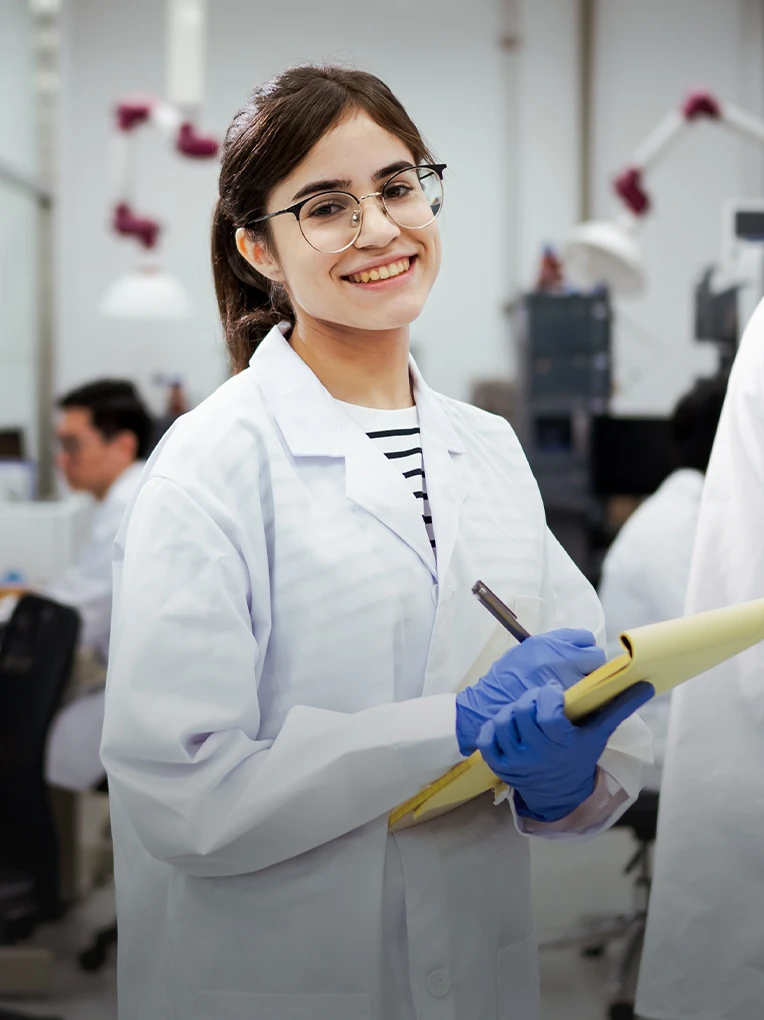
I am enrolled in the Nano-Micro Engineering Ph.D. program in the Materials Science and Engineering Department at NCKU. My research focuses on developing Surface-Enhanced Raman Spectroscopy (SERS)-based sensors for the rapid detection of chemical residues. The program has allowed me to delve into various subjects like thermodynamics and nanomaterials. What I enjoy most is the freedom to apply creative and critical thinking in problem-solving during experiments. NCKU also offers free Mandarin classes to international students, enhancing my appreciation for the local culture.
The most striking difference between Taiwan and the Philippines in education is the availability of resources. Taiwan’s advanced equipment and facilities for research in materials science and engineering are impressive. In contrast, in the Philippines, accessing necessary facilities often requires reaching out to other institutions, leading to delays in research. The freedom to operate experimental equipment at NCKU’s Center for Micro and Nano Science and Technology has been a fulfilling experience, unlike the limited access in the Philippines. These differences highlight the impact of funding and resource allocation in research.
My key achievements here include producing research papers with clear objectives and addressing immediate or innovative solutions. Studying in Taiwan has significantly changed my perspective, making me more open-minded, confident, and adaptable – qualities I consider vital achievements.
Future Plans
Studying in Taiwan, known for its advancements in science and technology, is beneficial for my career in science/engineering. Training under top-quality professors and experts, coupled with opportunities for personal growth like learning Mandarin and cultural immersion, are invaluable experiences.
Currently, I don’t have specific plans post-graduation, but I aim to continue conducting research with the hope of contributing to the community and nation-building. I plan to stay in Taiwan for a few more years to expand my experience and knowledge and eventually share what I learn in Taiwan with the Philippines, possibly establishing research collaborations.
Advice for Prospective Students
As a researcher in science and engineering, I balance my academic pursuits with creative activities like painting, photography, and traveling. My journey of studying abroad has been a transformative experience, helping me explore and realize my full potential.
My decision to continue with a Ph.D. in Taiwan, despite having other options, speaks volumes about my positive experience here. The high-quality education, affordable cost of living, and cultural immersion are significant advantages. I advise prospective students to embrace the opportunity to study in Taiwan with openness and enthusiasm.