Why I Chose Taiwan for My Master’s Degree
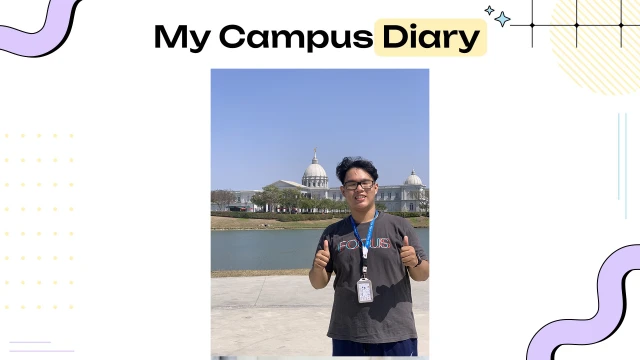
I have a bachelor’s degree in materials and metallurgical engineering from the University of Technology (Yatanarpon Cyber City) and a postgraduate diploma in Political Science and Public Policy from MIPP in Yangon, Myanmar. I have worked in the non-profit sector in Yangon and am now pursuing a master’s degree in International Political Economy (IPE) at National Cheng Kung University (NCKU), Tainan City, Taiwan.
I was drawn to the master’s program in political economy at NCKU for its intriguing course content and Taiwan’s educational quality. My interest in East Asia’s politics and economic development led me to Taiwan. Additionally, the offer of two semesters of free Mandarin courses at NCKU played a part in my decision, as I see learning Mandarin as a significant benefit for international students.
Obtaining a student visa for Taiwan was a significant challenge due to differing requirements compared to other countries. It was a stressful and time-consuming process, but persistence paid off.
Academic Experience in Political Economy at NCKU
The political economy program at NCKU explores the interaction between politics and economics, incorporating subjects like international relations, sociology, and public policy. I chose to specialize in international political economy. The Asia-centric perspective and diverse approaches provided by the professors have been enlightening and enjoyable.
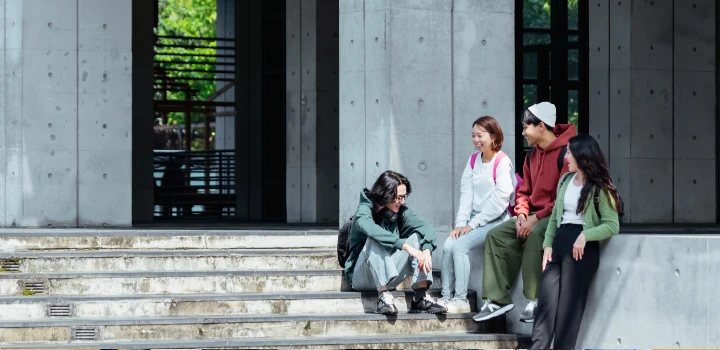
Taiwanese master’s programs, being seminar-based and discussion-oriented, contrast sharply with the teaching style in Myanmar. Professors in Taiwan bring strong academic backgrounds and practical teaching experiences. The quality of infrastructure and the emphasis on green spaces and student engagement in various activities at Taiwanese universities also set them apart from my previous educational experiences.
One of my primary achievements in Taiwan has been maintaining high academic performance, which has honed my skills in critical analysis and theoretical knowledge. Another significant accomplishment is developing strong time management skills, which have taught me to work efficiently under pressure. This experience has undoubtedly transformed me into a more professional individual.
Plans After Graduation: Returning to Myanmar
Studying in Taiwan has been incredibly beneficial, especially regarding my career aspirations. The Asia-centric and critical approach of the courses has prepared me for global competition and future challenges. The reputation of Taiwan’s education system is likely to open many doors for job opportunities, both in Myanmar and in the region.
Post-graduation, I plan to return to Myanmar to apply my knowledge and expertise for the country’s development. However, I am open to participating in internship programs in Taiwan before returning, as I believe these experiences will be beneficial for my future career.
Recommendations for Future Students in Taiwan
I advise prospective students to learn some Mandarin before coming to Taiwan, as it will be beneficial academically and for everyday communication. However, language barriers shouldn’t be a major concern, as Taiwanese people are incredibly friendly and helpful. I highly recommend studying in Taiwan due to its high-quality education, culture, art, food, and rich history.